
An Insider’s Guide to PBT Keycaps: Are You Overpaying?
The Mechanical Keyboard Rabbit Hole
If you’ve ventured into the world of mechanical keyboards, you know how deep the rabbit hole goes. It starts with choosing a switch, but soon you find yourself obsessed with sound, feel, and aesthetics. That’s when you discover the world of custom keycaps, and with it, a confusing range of prices. Some sets sell for a modest price, while others fetch hundreds of dollars. Why the huge difference for what looks like simple pieces of plastic?
Behind the Price Tag: The Keycap Supply Chain
The price you pay for keycaps is often influenced by more than just the raw materials. The journey from factory to your keyboard can involve many steps, each adding to the final cost:
- Branding and Marketing: A well-known brand invests heavily in marketing, packaging, and design collaborations, and these costs are passed on to the consumer.
- Distribution Layers: A product may go from the factory to an international distributor, then to a regional retailer, with each middleman taking a cut.
- Limited Runs: Many high-end keycap sets are sold in limited “group buys,” creating artificial scarcity that drives up prices and resale value.
While designer sets have their place, many enthusiasts are simply looking for high-quality fundamentals without the inflated price. The good news is, by understanding what truly matters in a keycap, you can often find incredible value by looking closer to the source.
How to Identify a High-Value Keycap Set
When you’re sourcing keycaps, cut through the noise and focus on these key indicators of quality:
- Material: PBT is the Gold Standard. Most keyboards come with ABS keycaps, which are prone to developing a greasy shine over time. Polybutylene terephthalate (PBT) is a more durable, textured material that resists shine and feels more premium to the touch.
- Wall Thickness: The Secret to Sound. This is a crucial, often overlooked, detail. Thicker keycap walls produce a deeper, more solid, and more satisfying sound profile (the “thock” enthusiasts crave). Thinner walls can sound hollow or high-pitched.
- Profile: Ergonomics and Style. The keycap’s shape (its profile) affects typing feel. A uniform profile like DSA is low-profile and consistent across all rows, making it comfortable and a favorite for custom layouts.
A Factory-Direct Example of Quality and Value
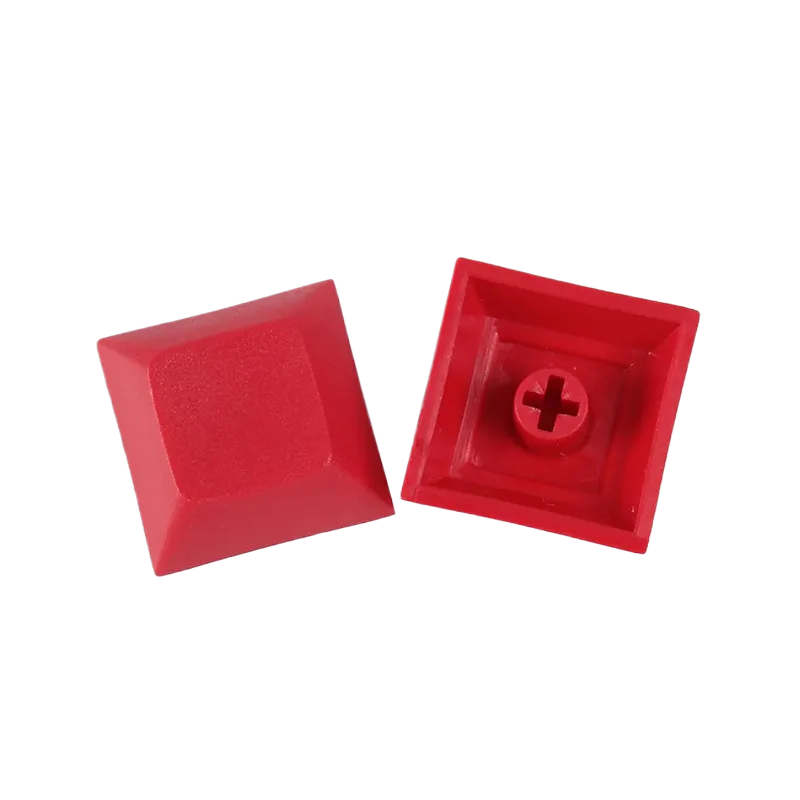
Understanding these factors makes it easier to spot a great deal. For instance, these allwinOEM/ODM DSA Thick PBT Keycaps are a perfect example of getting premium features without the layered markups. They are sourced directly from a supplier that focuses on production quality.
Let’s see how they stack up:
- Durable PBT Material: They are made from long-lasting PBT with a pleasant frosted finish, ensuring they won’t get shiny after a few months of typing.
- Exceptionally Thick Walls: At 7.42mm, their wall thickness is substantial. This is a feature usually found in much more expensive sets and is key to achieving that desirable, low-pitched typing sound.
- Versatile DSA Profile: The comfortable and uniform DSA profile is great for any keyboard layout.
- Wide Color Selection: With a huge variety of vibrant colors, you can customize your board’s look without paying for a designer name.
By focusing on the core specifications that determine quality—material and thickness—you can significantly upgrade your keyboard’s feel and sound for a fraction of the boutique price.
If you’re ready to improve your typing experience based on tangible quality rather than brand hype, it’s time to explore your options. Sourcing smart means getting more for your money.
Ready for a meaningful upgrade? Explore the full range of colors for these Thick PBT Keycaps and hear the difference for yourself.


Add comment