
Decoding Keycap Prices: Why Your Keyboard Hobby Costs So Much & How to Find Better Value
The Price of Perfection: Unpacking the ‘Keycap Tax’
If you’ve dived into the world of custom mechanical keyboards, you know the thrill of finding the perfect components. You hunt for the right switches, the ideal case, and then… the keycaps. This is where many builders hit a wall. A beautiful set of molded plastic can sometimes cost as much as the rest of the keyboard combined. This phenomenon, often called the ‘keycap tax’, isn’t just about design; it’s a story about the long journey a product takes from the factory floor to your desk.
From Factory to Your Keyboard: The Hidden Markups
Why are retail prices for niche products like keycaps often so high? It comes down to the traditional cross-border supply chain. In many cases, the path looks something like this:
- The Manufacturer: A factory produces the keycaps in large quantities.
- The Brand/Importer: A company buys these keycaps, packages them, and markets them under their own brand. This adds the first major markup.
- The Regional Distributor: The importer sells to distributors in different countries, who add their own margin to cover logistics and warehousing.
- The Boutique Retailer: Your favorite local keyboard shop buys from the distributor. They have to cover marketing, website costs, and their own profit, leading to the final price you see.
Each step in this chain adds cost. By the time the keycaps reach you, the price may have been inflated multiple times over the original factory price. This is especially true for unique items like transparent keycaps, where demand is high within a passionate community.
How to Spot High-Value Keycaps: A Buyer’s Checklist
To get the most for your money, it pays to think like a sourcer. Instead of focusing only on the final brand, look at the core specifications that determine quality. Here’s what to pay attention to:
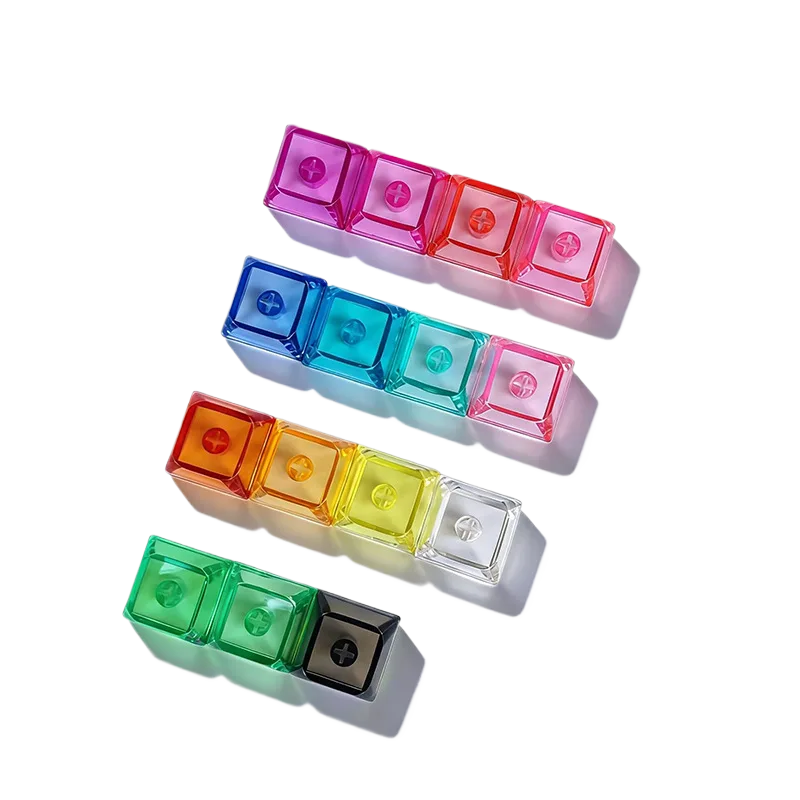
- Material Matters: For vibrant RGB lighting, nothing beats Polycarbonate (PC). Unlike PBT or ABS, PC offers superior clarity and light diffusion, making your keyboard’s backlight truly pop.
- Profile is Personal: The shape of the keycap affects your typing feel. An XDA profile, for example, has a uniform, flat surface across all keys, which many find comfortable for long typing sessions and aesthetically clean.
- Switch Compatibility: The vast majority of custom keyboards use MX-style switches. Ensuring your keycaps are MX-compatible is the most important step for a successful build.
A Clear Winner: The allwinOEM High-Transparency XDA2 Keycap
Understanding the supply chain helps you identify products that offer better value by cutting out the middlemen. A perfect example is the allwinOEM/ODM PC High-Transparency XDA2 Keycap. This product ticks all the boxes for a savvy builder.
It’s made from high-quality, transparent PC material designed to maximize your keyboard’s RGB effects. The comfortable and popular XDA2 profile provides a consistent and pleasant typing experience. Most importantly, it’s compatible with standard MX switches, making it a versatile choice for countless keyboard builds. Coming from an OEM/ODM source, it represents an opportunity to get premium features without the layered markups of the traditional retail chain. With a huge variety of colors available, you can create a truly custom look that reflects your style.
Upgrade Your Build the Smart Way
Don’t let inflated prices hold your creativity back. By understanding what makes a great keycap and where to look, you can build the keyboard of your dreams on a more reasonable budget. If you’re looking for maximum RGB shine and a clean, uniform profile, this is a fantastic place to start.
Ready to see the difference for yourself? Explore the full range of colors and specifications for the PC High-Transparency XDA2 Keycaps and discover the value of sourcing closer to the source.


Add comment