
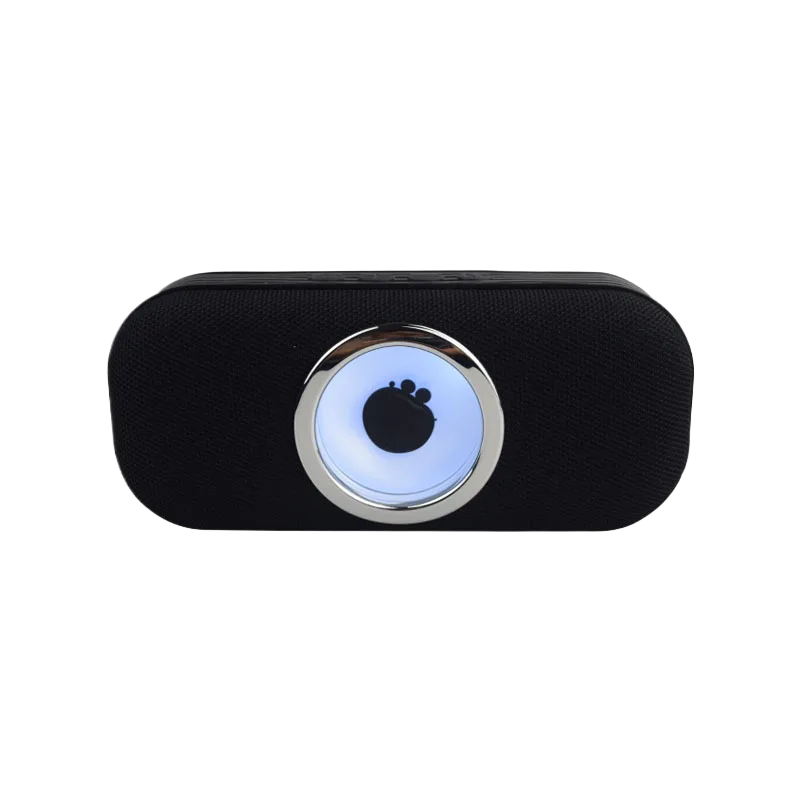
Magnetic Fluid Speakers: Uncovering the Hidden Markups on Viral Tech
The Viral Gadget You Saw Online? Here’s Why It Costs So Much.
You’re scrolling through your feed and you see it: a gadget so cool it looks like it’s from the future. Maybe it’s a speaker with a black, liquid-like substance that dances to the beat of the music. You’re captivated. You click the link, ready to buy, but the price tag makes you slam the brakes. How can something so small cost so much?
This experience is incredibly common, especially with visually stunning tech like magnetic fluid speakers. What many people don’t realize is that the high price often has less to do with the product’s actual cost and more to do with a long, expensive journey from the factory to your doorstep.
Deconstructing the “Cool Tech” Price Tag
The price gap between a product’s factory cost and its final retail price can be staggering. When a unique product is made, it passes through several hands before it reaches you, and each step adds a significant layer of cost.
In many cases, the supply chain looks something like this:
- Branding & Marketing: A company buys the product, gives it a trendy name, and spends a fortune on advertising campaigns to make it go viral. This cost is passed on to you.
- International Logistics: Shipping products across oceans, handling customs, and warehousing them in different countries is a complex and expensive process.
- Multiple Middlemen: The product may go from the factory to an exporter, then to an importer, then to a distributor, and finally to a retail store. Every company in this chain adds its own markup to make a profit.
- Perceived Value Pricing: For novel items that capture the imagination, sellers often set prices based on what they believe people are willing to pay, not what the product costs to make. The cooler it looks, the higher the potential markup.
How to Find a Better Deal: Think Like a Sourcing Pro
The secret to avoiding these inflated prices is to cut out as many middlemen as possible. By getting closer to the source—the original factory or manufacturer—you can often access the same innovative technology without paying for all the extra layers of branding and distribution markups.
Look for terms like “OEM/ODM” (Original Equipment Manufacturer/Original Design Manufacturer). These are often signals that you are looking at a product directly from the people who make it, offering a more transparent and fair price.
A Case Study: The Venom-Style Magnetic Fluid Speaker
Let’s look at a perfect example. The allwinOEM/ODM Magnetic Fluid Bluetooth Speaker is exactly the kind of jaw-dropping product that often gets rebranded and sold for a premium.
Its core feature is a mesmerizing magnetic fluid (ferrofluid) display that pulsates and morphs in sync with your music—a true audio-visual experience. The striking, symmetrical design has even earned it the nickname “Venom Speaker.”
Key features that make it stand out include:
- Mesmerizing Visuals: The magnetic fluid dances to the rhythm, creating a living piece of art on your desk.
- Modern Connectivity: It uses Bluetooth 5.3 for a stable, high-quality wireless connection to your devices.
- Compact & Atmospheric Design: At just 130x130x130 mm, it fits perfectly in any space and includes built-in lighting to enhance the ambiance.
By viewing this Venom-Style Magnetic Fluid Speaker from a factory-direct perspective, you can appreciate its features and innovation without the extra cost of a heavily-marketed brand name.
Get the “Wow” Factor Without the “Ouch” Price
The next time you see a viral gadget with a steep price, you’ll know why. You’ll also know that there’s often a smarter way to buy. By going closer to the source, you get the innovation without funding multiple layers of markups.
Ready to see what factory-direct value looks like? Check out the unique design and features of the speaker that’s captivating music lovers and tech enthusiasts alike.


Add comment