
Sourcing Secrets: How to Get Premium PBT Keycaps at Factory Prices
The Hidden Cost of Keyboard Customization
Falling down the mechanical keyboard rabbit hole is a journey of discovery and creativity. You choose your switches, your case, your layout… and then comes the fun part: the keycaps. But as you browse popular online stores, you might notice something strange. A single, tiny piece of plastic—an accent keycap—can sometimes cost as much as a coffee or lunch. How can that be? The answer lies in a long and often hidden supply chain.
Decoding the Keycap: What Makes a ‘Premium’ Key?
Before we dive into pricing, let’s talk quality. Not all keycaps are created equal. When you’re looking for a durable, great-feeling keycap for that special spot on your board, you’re usually looking for a few key features:
- Material: PBT (polybutylene terephthalate) is the gold standard. Unlike the more common ABS plastic, PBT is more durable, resists the shine that develops from finger oils, and has a satisfying, textured feel.
- Thickness: Thicker keycaps, typically over 1.4mm, produce a deeper, more pleasant sound and feel more substantial and high-quality under your fingers. A 1.6mm thickness is a sign of a premium-grade keycap.
- Profile: This is the shape of the keycap. While Cherry and OEM are common, unique profiles like the rounded, uniform MOA profile offer a different and often very comfortable typing experience.
Why That $10 Keycap Often Costs $1 to Make
So, why the big price gap? It’s all about the layers between the factory and you. For niche hobbyist items, the path a single keycap takes can be long. A factory in China produces it, then sells it in bulk to an overseas brand or importer. That importer then sells it to a distributor or directly to a reseller. That reseller lists it on a marketplace, adding their own markup to cover shipping, customs fees, marketing, platform fees, and, of course, their own profit. By the time that single keycap reaches you, its price may have been inflated at every single step.
How to Spot Factory-Direct Value
The good news is that savvy buyers can bypass many of these markups. By understanding what to look for, you can source high-quality components much closer to the original factory price. Pay attention to suppliers that offer OEM/ODM services, as this often indicates they are the manufacturer. They provide detailed specifications like material and thickness, focusing on the product’s quality rather than flashy marketing. This allows you to get premium features without paying for the multiple layers of retail branding and distribution.
A Perfect Example: The Allwin OEM PBT Keycap
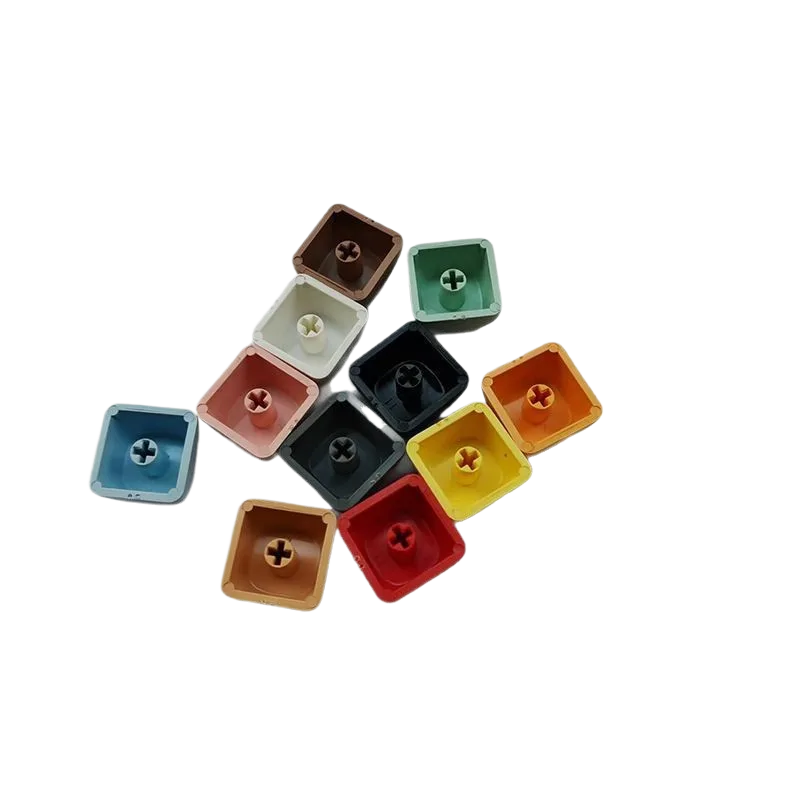
This is where knowing the source makes all the difference. Take a look at this allwinOEM/ODM MOA Profile PBT Keycap. It ticks all the boxes of a high-quality component:
- It’s made from durable, shine-resistant PBT plastic.
- It features a premium 1.6mm thick wall, giving it a solid feel and sound.
- It comes in the comfortable and stylish MOA profile.
- It’s compatible with the vast majority of mechanical keyboards using Cherry MX-style switches.
Because you are looking at a direct source, you can access this level of quality without the compounded markups of the typical retail chain. The sheer number of vibrant color options, from mint green to deep pink, means you can find the exact accent for your build, directly from the people who make it.
Build Your Dream Board Smarter
Customizing your keyboard shouldn’t mean overpaying for quality. By understanding the supply chain and knowing what quality indicators to look for, you can build a truly personal and premium keyboard without breaking the bank. It’s about sourcing smarter, not just spending more.
Ready to find that perfect key? Explore the huge variety of PBT keycaps at factory-direct prices and feel the quality difference for yourself.


Add comment