
The Mechanical Keyboard Price Mystery: Are You Paying for the Brand or the Board?
Why Does That Keyboard Cost So Much?
The world of custom mechanical keyboards is exploding. From gaming streamers to home office heroes, everyone wants that perfect typing feel and custom look. But as you browse, you might notice something confusing: the prices are all over the place. You could see a sleek 75% layout keyboard from a popular influencer brand for $180, and then find a board that looks almost identical from a lesser-known seller for half that price. What gives?
The answer often lies in a journey of hidden costs and brand markups that happen long before the keyboard ever reaches your desk.
The Journey from Factory to You: A Tale of Hidden Costs
In the electronics world, many of the products you see from different brands actually start their life in the same place: an Original Equipment Manufacturer (OEM) or Original Design Manufacturer (ODM). These factories design and build high-quality base models.
From there, the supply chain can get complicated. A retail brand might purchase this base model, add their logo, design fancy packaging, and launch a big marketing campaign. Each of these steps—branding, marketing, international shipping, warehousing, and retailer profit margins—adds a layer of cost. By the time you see it, the final price can be significantly higher than the original factory cost, even for the exact same hardware.
How to Spot True Value: A Keyboard Buyer’s Checklist
So, how can you become a smarter shopper and get more for your money? Instead of being swayed by a fancy logo or clever marketing, focus on the core components that actually define a keyboard’s quality. Here’s what to look for:
- Focus on Core Features: The true value is in the specs. Is it Tri-Mode (Wired, 2.4G, Bluetooth)? What material are the keycaps made from (durable PBT is better than standard ABS)? These features determine your daily experience far more than the brand name printed on the box.
- Look for a Complete Package: Does the keyboard come with essentials like a keycap puller, a switch puller, and maybe even a dust cover or spare switches? When you’re buying closer to the source, these value-added items are often included. Retail brands may sell them separately to increase profit.
- Identify the Source: The biggest clue to finding factory-level value is identifying products from the OEM/ODM source itself. This allows you to bypass many of the middlemen and their associated markups.
Case Study: The allwinOEM/ODM K81 – Features Without the Markup
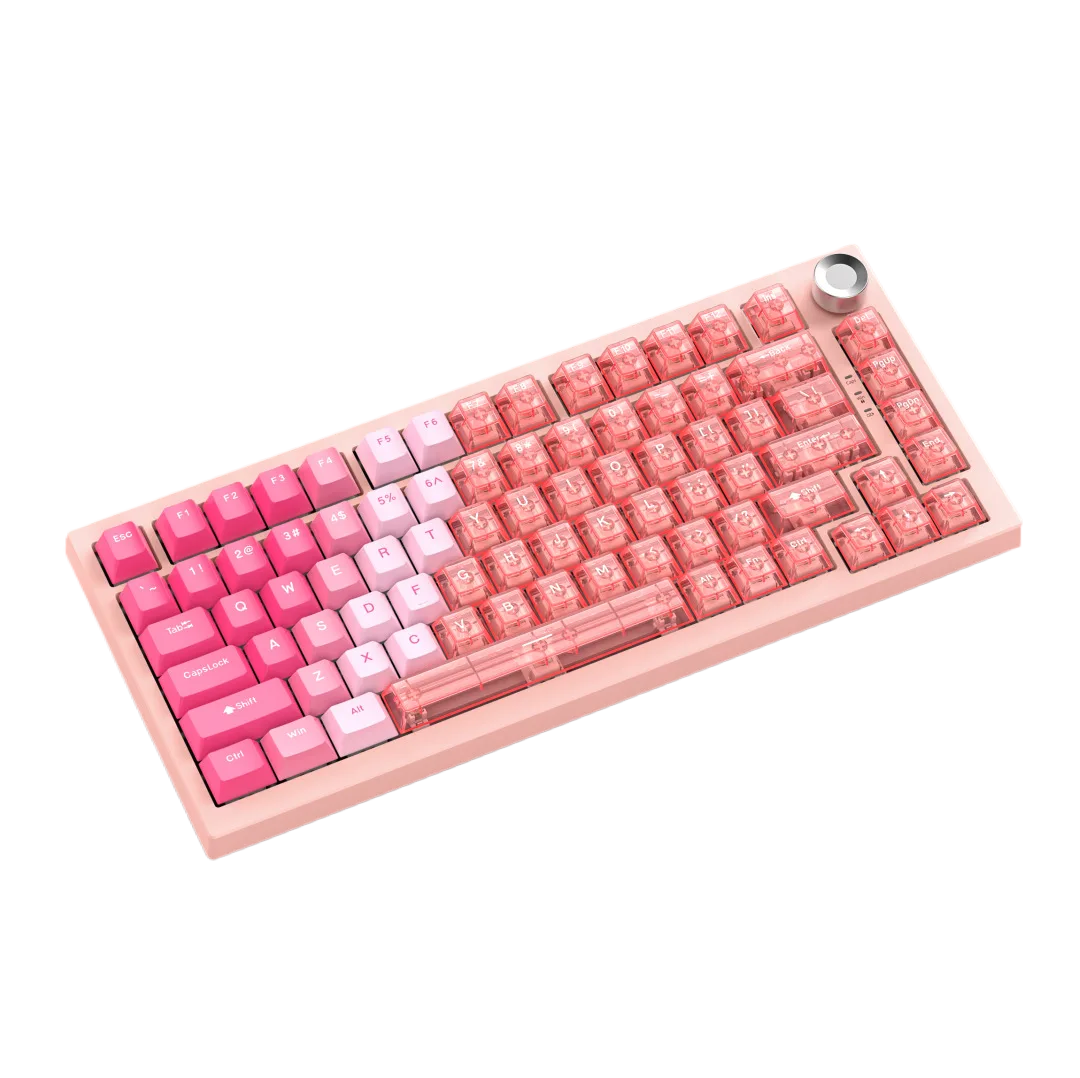
A perfect example of this principle in action is the allwinOEM/ODM Custom 82-Key Keyboard. It’s a model that ticks all the boxes of a premium board, but without the layers of brand inflation. Let’s see how it stacks up against our checklist:
- Premium Connectivity: It comes standard with full Tri-Mode connectivity (USB Wired, 2.4G Wireless, and Bluetooth), offering the kind of seamless flexibility often found in much more expensive retail keyboards.
- Durable, Quality Build: The 82KEY features PBT keycaps, which are known for their durability and resistance to the shine that develops on cheaper ABS caps over time. The compact 82-key layout is efficient and stylish, perfect for modern desk setups.
- A Truly Complete Kit: Unboxing the reveals the value immediately. The package includes not just the keyboard, but also a key puller, switch puller, spare switches, and a dust cover. This is the kind of generous package that signals you’re getting great value directly from the manufacturer.
Become a Smarter Keyboard Buyer
The secret to getting the best deal on a mechanical keyboard isn’t just about finding the lowest price—it’s about understanding where your money is going. By learning to look past the branding and focusing on the core features and the source, you can get a keyboard with superior performance for a much more reasonable price.
Ready to experience a high-performance, fully-featured keyboard without paying for a brand’s marketing budget? Explore the allwinOEM/ODM Tri-Mode Mechanical Keyboard and see the factory-direct difference for yourself.


Add comment