
The Real Price of a USB-C Hub: Are You Paying Too Much for Connectivity?
The Connectivity Tax: Why Your Tech Accessories Cost So Much
In today’s world of sleek, minimalist laptops, the humble USB-C hub has become an essential tool. It’s the bridge that connects our powerful machines to monitors, keyboards, and stable internet. But have you ever noticed the wild price variation for these devices? A multi-port adapter can range from surprisingly affordable to shockingly expensive, often for what seems like the same set of features. What gives?
The answer often lies in a long and layered supply chain. A simple tech accessory manufactured in China doesn’t just appear on a retail shelf overseas. It travels through a chain of distributors, importers, and retailers, with each step adding its own markup for logistics, marketing, and profit. This is before you even consider the “brand tax”—the premium price well-known brands charge for their name alone.
Behind the Curtain: The Journey from Factory to Your Desk
For a product like a USB-C hub, the final retail price you pay can be significantly higher than its original factory cost. This isn’t necessarily a secret, but it’s something savvy buyers are starting to pay more attention to. When you buy from a major retail brand, a large portion of your money may be covering marketing budgets and shareholder profits, not just the quality of the hardware itself.
This is where understanding the source becomes a superpower for getting better value. By looking for products from OEM/ODM (Original Equipment Manufacturer / Original Design Manufacturer) suppliers, you can often access the same high-quality technology without paying for multiple layers of branding and distribution markups.
What to Look For in a High-Value USB-C Hub
When you’re trying to find a great deal without sacrificing performance, shift your focus from the brand name to the actual specifications. Here’s what truly matters:
- Connectivity Ports: Does it have what you actually need? For power users, features like dual HDMI for multi-monitor setups and a Gigabit Ethernet port for a stable, wired internet connection are non-negotiable.
- Data Transfer Speed: Look for USB 3.0 support, which offers speeds up to 5Gbps. This is crucial for transferring large files from external drives without a long wait.
- Power and Stability: A good hub should support an external power supply to ensure all your connected devices run smoothly and consistently, without drawing too much power from your laptop.
A Smarter Choice for Power Users
Finding a hub that ticks all these boxes at a reasonable price point is the goal. This is why we’re taking a closer look at the allwinOEM/ODM USB C Hub Multiport Adapter. It’s a perfect example of a product that delivers professional-grade features directly from the source.
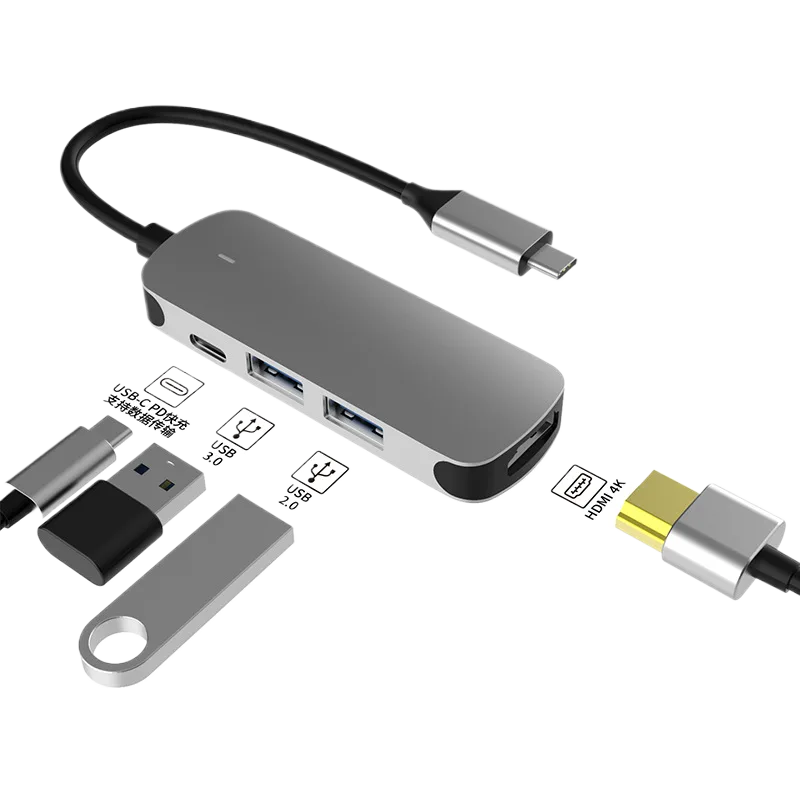
This versatile adapter isn’t just a simple port expander. It’s a full-fledged workstation solution, offering dual HDMI outputs, a fast and reliable Gigabit Ethernet port, and multiple USB 3.0 ports for all your peripherals. Because it comes from an OEM/ODM source, the focus is on robust functionality rather than a flashy brand name, allowing you to get the features you need without the inflated price tag.
If you’re tired of overpaying for connectivity and want to equip your workspace with a powerful, reliable hub, it’s time to look closer at the source. Get the features of a premium, high-end adapter without the unnecessary retail markup.
Check out the full specifications and get factory-direct value on the allwinOEM/ODM USB-C Hub Multiport Adapter today.


Add comment