
The Real Reason Your Keyboard Keycaps Cost So Much (And How to Find a Better Deal)
The Pricey World of Custom Keyboards
The mechanical keyboard hobby has exploded. Enthusiasts happily spend hundreds on a custom board, but one of the biggest cost variables is often the keycaps. You can find a set for $30, while another seemingly similar set from a boutique brand costs over $150. What gives? A lot of it comes down to the journey those little pieces of plastic take from the factory to your desk.
Understanding the Keycap Supply Chain Markup
Most keycaps, especially the high-quality PBT ones, originate from specialized manufacturers. When a designer brand decides to launch a new colorway, they don’t typically build their own factory. Instead, they work with an OEM/ODM (Original Equipment Manufacturer/Original Design Manufacturer) source.
The path often looks like this:
- The Factory: Produces the physical keycaps with specific materials and profiles.
- The Brand: Adds their unique color design, marketing, and fancy packaging. This is the first major markup.
- Distributors & Retailers: Each middleman who helps bring the product to your country and local storefronts adds their own margin for logistics, inventory, and profit.
By the time the keycaps reach you, the final price can be several times the original factory-side cost. You’re paying for the design, the brand name, and the entire distribution network.
How to Identify Better Value Directly from the Source
If you care more about material quality and feel than a limited-edition brand name, you can get incredible value by looking for keycaps closer to the source. Here’s what to pay attention to:
- Material is King: Always prioritize PBT (Polybutylene terephthalate) over standard ABS plastic. PBT is more durable, resists the oils from your fingers (preventing that shiny look), and has a pleasant textured feel.
- Check the Thickness: Thicker keycap walls are a sign of quality. A thickness of around 1.5mm or more often results in a deeper, more satisfying typing sound (the “thock” enthusiasts crave).
- Know Your Profiles: The shape and height of the keycaps (the “profile”) affect typing feel. XDA is a popular profile that features a uniform, flat height across all keys, giving a clean, modern aesthetic and a consistent feel.
A Prime Example of Factory-Direct Quality
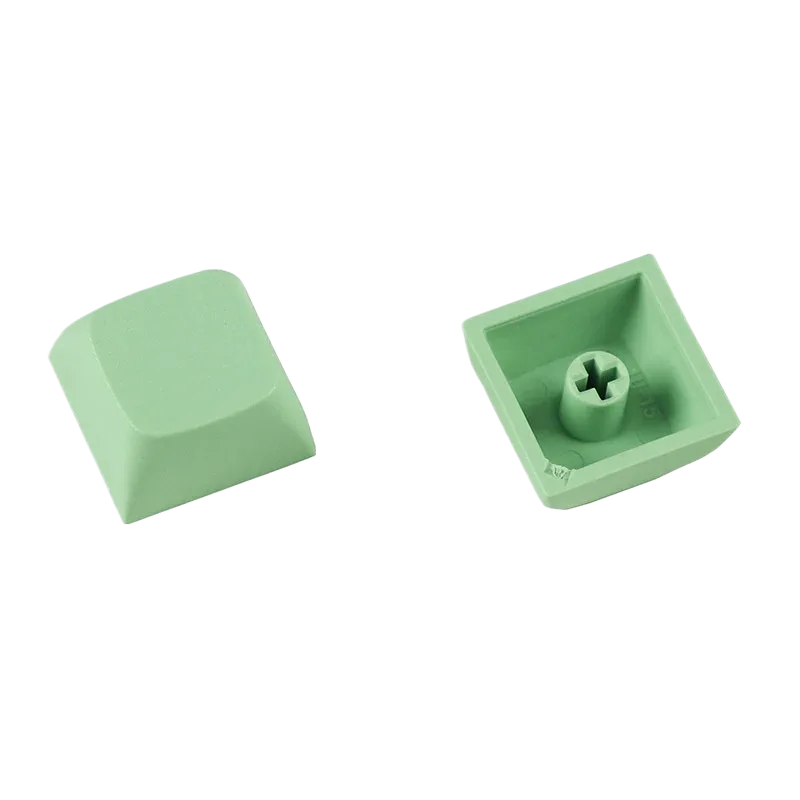
This is where understanding the supply chain pays off. When you find a product like these allwinOEM/ODM XDA PBT Keycaps, you’re looking at the raw ingredients for a premium keyboard build, without the added layers of brand markup.
Let’s see how they stack up:
- Durable PBT Material: They check the most important box for longevity and feel.
- Thick 1.7mm Walls: This is a premium feature that contributes to a solid feel and superior acoustics.
- Comfortable XDA Profile: The 9.3mm uniform height is perfect for a clean look and a comfortable, consistent typing experience.
- Incredible Color Variety: With dozens of colors available, from classic white and black to vibrant greens and frosted options, you can mix and match to create your own custom set for a fraction of the price of a designer kit.
Upgrade Your Keyboard, Not Your Budget
You don’t need to pay inflated prices for a high-quality typing experience. By understanding what makes a good keycap and where the costs come from, you can make smarter choices and build a keyboard that feels and looks premium without the boutique price tag.
Ready to build your perfect custom keyboard? Check out the huge selection of high-quality PBT XDA keycaps and start creating your unique look today.


Add comment