
The Tech Accessory Trap: Why Your USB Hub Costs More Than It Should
The Modern Laptop’s Dilemma: Sleek Design, Not Enough Ports
We’ve all been there. You buy a beautiful, slim new laptop, only to realize it has one or two ports. Suddenly, you’re in a constant shuffle, unplugging your mouse to connect a flash drive, or wishing you had a stable, wired internet connection for that important video call. The obvious solution is a USB hub, but a quick trip to a big-box electronics store can leave you with sticker shock. How can such a simple device command such a high price?
Decoding the Price Tag: The Journey of a USB Hub
The price you pay for a tech accessory in a retail store is often the result of a long and layered supply chain. While it seems straightforward, the journey from factory to your desk involves multiple stages, and each stage adds its own markup. In many cases, the process looks something like this:
- The Manufacturer: A factory, often an OEM/ODM (Original Equipment Manufacturer/Original Design Manufacturer) like Allwin, produces the device based on core specifications.
- Brand & Importer: A well-known brand buys the product, puts their logo on it, packages it, and handles international shipping and import duties. This step adds significant cost for marketing and branding.
- Distributor/Wholesaler: This middleman buys in bulk from the brand/importer and sells to retail stores, adding their own profit margin.
- Retailer: The final store, whether online or brick-and-mortar, adds its markup to cover rent, staff, marketing, and, of course, profit.
By the time that USB hub reaches the shelf, its price may have been marked up several times over its original factory cost. You’re not just paying for the technology; you’re paying for branding, marketing, and a multi-layered distribution network.
How to Be a Smarter Tech Buyer
So, how do you escape the markup trap? By looking past the brand name and focusing on what truly matters: the core technology and the source. Here’s what to pay attention to:
- Check the Specs: Does it have the speed you need? USB 3.0 offers a 5Gbps transfer rate, which is essential for moving large files quickly. Does it have the right ports, like USB-C for modern devices or a Gigabit Ethernet port for a rock-solid internet connection?
- Identify the Source: Many different brands often source their products from the very same handful of high-quality manufacturers. When you can find a product closer to the original source, you can often get the exact same performance for a fraction of the price.
A Direct Approach to Connectivity
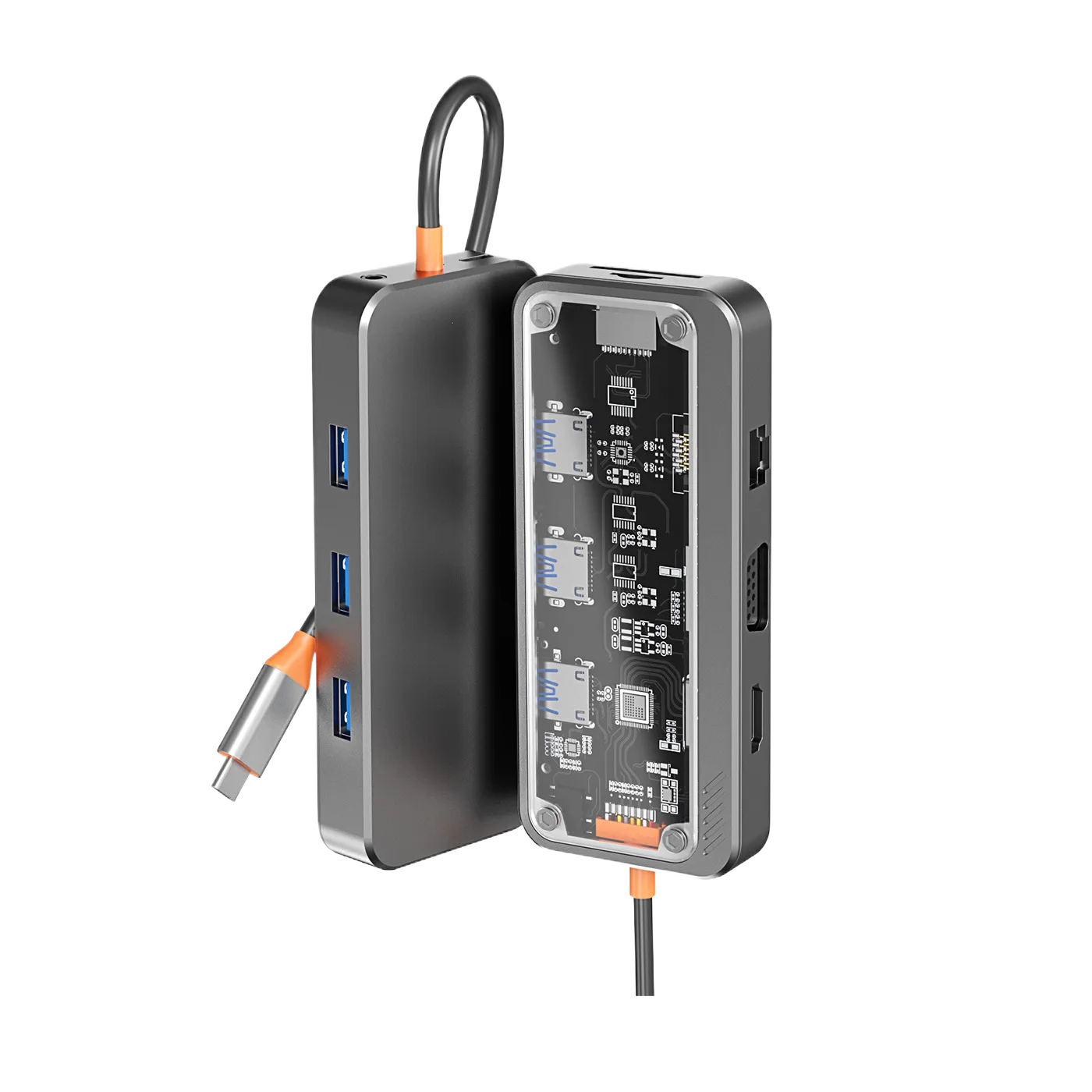
This is why finding a product directly from an OEM/ODM source can be a game-changer. Take, for example, the allwinOEM/ODM USB Hub with USB 3.0. It’s a perfect illustration of getting premium features without the premium price tag.
This hub focuses on delivering exactly what users need. It provides multiple high-speed USB 3.0 ports and a modern USB Type-C interface. Certain models even include a Gigabit Ethernet port, a feature that is often sold as a separate, expensive adapter by major brands. By stripping away the unnecessary branding and distribution layers, you get direct access to a versatile and powerful connectivity tool.
With a range of configurations available, you can choose the exact port combination you need, ensuring you only pay for the functionality that matters to you. Whether you need a simple port expander or a full-fledged docking solution with high-speed internet, there’s likely a model that fits your workflow.
Expand Your Hub, Not Your Budget
Stop overpaying for brand names and complex supply chains. By understanding where your tech comes from, you can make smarter purchasing decisions that save you money without sacrificing quality or performance. If you’re ready to solve your port problems with a high-value, no-nonsense solution, it’s time to look closer at the source.
Ready to upgrade your connectivity the smart way? Check out the allwinOEM/ODM Multi-Port Adapter and see how much performance you can get when you bypass the retail markups.


Add comment