
Why Are Custom Keycaps So Expensive? An Inside Look at the PBT Keyboard Market
The Secret Behind That $80 Keycap Set
If you’ve dived into the world of mechanical keyboard customization, you’ve likely experienced sticker shock. You find the perfect, vibrant keycap set to express your personality, only to discover it costs nearly as much as the keyboard itself. How can a collection of plastic keys command such a high price? The answer often lies in a long and layered supply chain, where multiple hands add markups before the product ever reaches you.
Deconstructing the Price: The Journey of a Keycap
Let’s start with the basics. High-quality keycaps, like those sought after by enthusiasts, are typically made from PBT (Polybutylene terephthalate) plastic. Unlike standard ABS plastic, PBT is more durable, resists the shine that comes from finger oils, and has a pleasant textured feel. The designs are applied using a process called dye-sublimation, where ink is infused directly into the plastic. This ensures the legends and graphics will never fade or wear off.
These premium features come at a manufacturing cost. But the factory price is just the beginning. The journey to your desk often looks like this:
- The Manufacturer: An OEM/ODM (Original Equipment Manufacturer/Original Design Manufacturer) like Allwin produces the keycaps.
- The Brand: A popular keyboard or accessory brand buys these keycaps, adds their own branding, designs custom packaging, and launches a marketing campaign. This adds a significant markup.
- The Distributor: This middleman buys from the brand and sells to retailers, adding their own margin for logistics and warehousing.
- The Retailer: The final online store or physical shop where you buy the product adds its own markup to cover storefront costs, customer service, and profit.
By the time that keycap set reaches you, its price may have been inflated several times over from the original factory cost. Each step, while serving a purpose, adds to the final price tag.
Your Checklist for Finding High-Value Keycaps
So, how can you get the quality you want without paying for layers of hidden markups? By learning to spot the signs of a product that’s closer to the source. Here’s what to look for:
- PBT Material: Always choose PBT over ABS for a long-lasting, premium typing experience.
- Dye-Sublimated Legends: Ensure the printing method is dye-sublimation (or “dye-sub”) so your cool designs don’t wear away.
- Broad Compatibility: Look for sets with a higher key count (like 109+ keys) to ensure they fit various popular layouts like 87-key, 75%, or 65%.
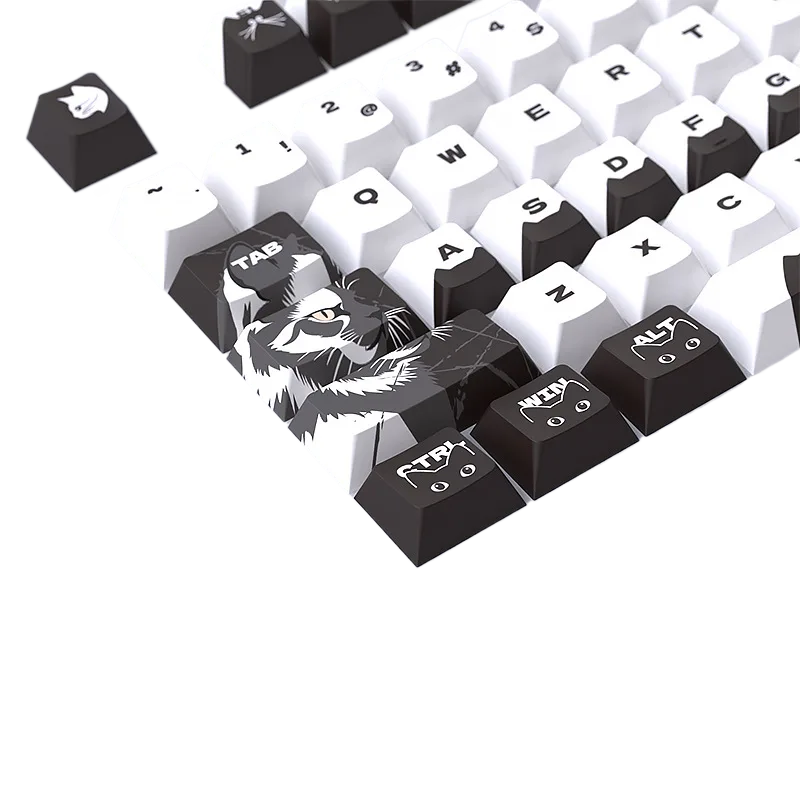
- The Source: Pay attention to the seller. Brands that identify as an OEM/ODM or “factory” are often the very source that other brands buy from. Buying from them can give you access to a much fairer price. A great example of this is the allwinOEM/ODM Cat Language V2 Keycaps.
A Purr-fect Example: The Cat Language V2 Set
This keycap set checks all the boxes for a high-value find. It’s crafted from durable PBT plastic and features vibrant, long-lasting dye-sublimated graphics with a fun “Cat Language” theme. With 109 keys and a comfortable OEM profile, it’s designed to be compatible with a wide range of mechanical keyboards.
Most importantly, it comes directly from an OEM/ODM source. This means you are bypassing many of the traditional retail markups and getting a product that prioritizes material quality and manufacturing excellence over flashy branding and marketing overhead. You get the same (or better) quality as many high-priced boutique sets, but with a price that reflects its true value.
Upgrade Your Keyboard Without Overpaying
Don’t let complex supply chains and hidden markups keep you from personalizing your setup. By understanding what makes a keycap set truly high-quality, you can make smarter purchasing decisions. If you’re looking for a durable, stylish, and fairly priced upgrade, a set from a direct source is your best bet.
Ready to give your keyboard the personality it deserves? See the factory-direct difference for yourself and explore the specs and charming design of the Cat Language V2 PBT Keycap Set today.


Add comment