
Why Are Custom Mechanical Keyboards So Expensive? An Insider’s Guide to Value
The Mechanical Keyboard Price Mystery
If you’ve dipped your toes into the world of mechanical keyboards, you’ve likely noticed something strange: the prices are all over the place. One 87-key keyboard might cost $50, while another with a similar layout and features sells for $200 or more. What gives? Is it a difference in quality, or is something else happening behind the scenes?
The answer often lies in the complex journey a product takes from the factory floor to your desk. Understanding this journey is the key to finding incredible value and avoiding unnecessary markups.
The Journey from Factory to Desk: Where Costs Add Up
For many consumer electronics, the supply chain involves several layers. A product is designed and produced at a factory, then sold to a brand. That brand then works with distributors and retailers to bring it to market. Each step in this chain adds its own costs and profit margin:
- Brand Markup: This covers marketing, branding, packaging design, and of course, the brand’s profit. For niche enthusiast products, this markup can be significant.
- Distribution & Retail Markup: Wholesalers and retailers (both online and brick-and-mortar) add their own percentage to cover overhead, shipping, and their profit.
By the time the keyboard reaches you, the final price can be several times the original factory cost. Features that were once considered premium, like hot-swappable sockets and tri-mode wireless, may still carry a premium price tag at retail, even as they become more standard and affordable to manufacture.
How to Spot a High-Value Mechanical Keyboard
Instead of focusing on brand names, smart buyers are learning to focus on core features that deliver a better experience. When you’re shopping, look for these key specifications that define a modern, versatile keyboard:
- Tri-Mode Connectivity: The flexibility to switch between Bluetooth, 2.4G wireless, and a wired USB-C connection is a game-changer for any setup, whether it’s for gaming, work, or travel.
- Hot-Swappable Sockets: This is the single most important feature for customization. It allows you to change your mechanical switches easily without any soldering, so you can experiment with different typing feels (like Linear, Tactile, or Clicky) whenever you want.
- Standard Layout: An 87-key (Tenkeyless or TKL) layout is a popular choice because it saves desk space by removing the numpad while keeping all the essential navigation and function keys.
- Solid Construction: Look for durable materials like high-quality ABS plastic, which ensures the keyboard can stand up to daily use.
Finding a keyboard that ticks all these boxes used to mean a hefty investment. But by looking closer to the source, you can get these features for a fraction of the typical retail price. A great example is the allwinOEM/ODM keyboard, which packs in features often found in much more expensive models.
A Prime Example: The Tri-Mode Keyboard
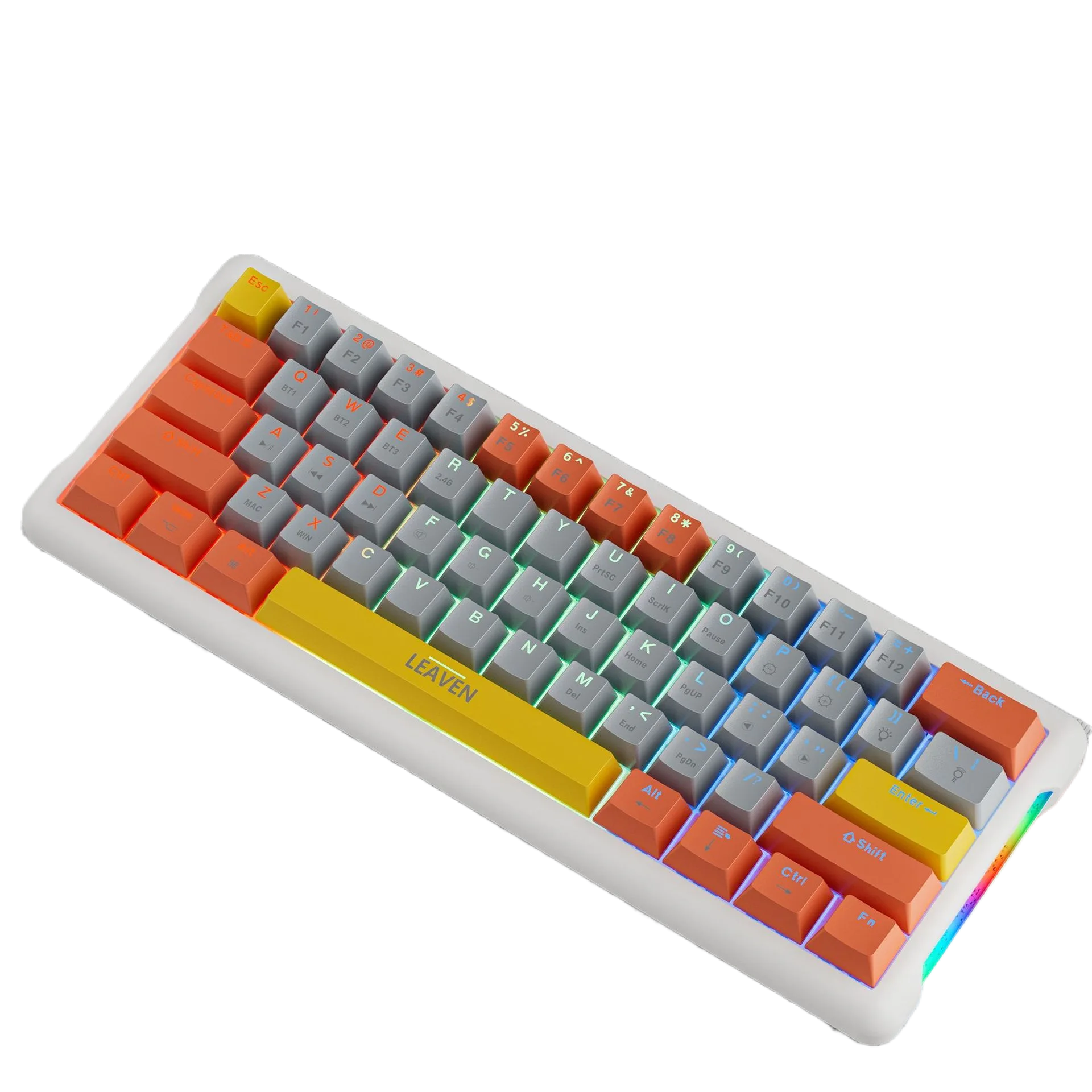
The is a perfect illustration of getting premium features directly. It’s built around the core functionality that enthusiasts and power users demand. It has the versatile tri-mode connectivity, the essential hot-swappable sockets for endless customization, and a space-saving 87-key layout. It even includes vibrant RGB backlighting to complete your setup’s aesthetic.
This is the kind of product that reveals the pricing gap in the market. It proves that you don’t need to pay a huge brand premium to get a feature-rich, high-performance mechanical keyboard. You just need to know where to look.
Stop paying for layers of marketing and retail markups. By understanding what makes a great keyboard and sourcing it more directly, you can build your dream setup for less.
Ready to see what factory-direct value looks like? Check out the full specifications and customization options for the allwinOEM/ODM Tri-Mode Custom Mechanical Keyboard and experience premium features without the premium price.


Add comment