
Why Are Premium Gaming Keyboards So Expensive? A Look Behind the Brand Markup
The Price of Precision: Unpacking the Hype Around High-End Gaming Keyboards
If you follow the world of PC gaming, you’ve seen the trend. Mechanical keyboards are no longer just a niche hobby; they’re a standard for anyone serious about performance. The latest battleground for supremacy is in switch technology, with magnetic axis (or Hall Effect) switches leading the charge, promising faster response times and unparalleled precision. Major gaming brands have been quick to market keyboards with these features, often attaching a price tag of $150, $200, or even more. But is that price tag for the technology, or for the logo on the box?
Deconstructing the Keyboard: What Are You Actually Paying For?
A keyboard might seem simple, but its final retail price is the sum of many parts—not just the physical components. When a product travels from a factory to an international retailer, costs accumulate at every step. This is where significant price gaps between the manufacturer’s price and what you pay emerge.
- Branding and Marketing: Big brands spend enormous amounts on marketing campaigns, esports sponsorships, and influencer collaborations. This creates brand value, but the cost is ultimately passed on to the consumer in the final price.
- Multi-Layer Distribution: The typical supply chain can look like this: Factory → Brand HQ → Regional Distributor → Retailer. Each step adds its own markup to cover its operational costs and generate a profit.
- Import and Logistics: Shipping products globally, handling customs duties, and warehousing inventory in different countries add significant costs that are factored into the retail price.
The result is that a well-built keyboard from an original equipment manufacturer (OEM) can often double or triple in price by the time it reaches a gamer’s desk overseas.
How to Spot Real Value: A Buyer’s Checklist
To find a great deal, you need to learn to look past the marketing and focus on the core hardware. Smart buyers know what to look for on the spec sheet to identify a high-value product, regardless of the brand name.
- Switch Technology is Key: Don’t settle for standard mechanical switches if you want top performance. Look for advanced options like the “Magnetic Axis Switches” found in premium models. They provide a tangible advantage in competitive gaming.
- Keycap Material Matters: Most budget keyboards use ABS plastic keycaps, which can wear down and develop a shine over time. PBT keycaps are far more durable, oil-resistant, and offer a superior feel. It’s a clear sign of a quality build.
- Modern Connectivity: A detachable Type-C cable and flexible wired/wireless options are hallmarks of a modern, versatile keyboard designed for convenience and portability.
A Prime Example of Factory-Direct Value
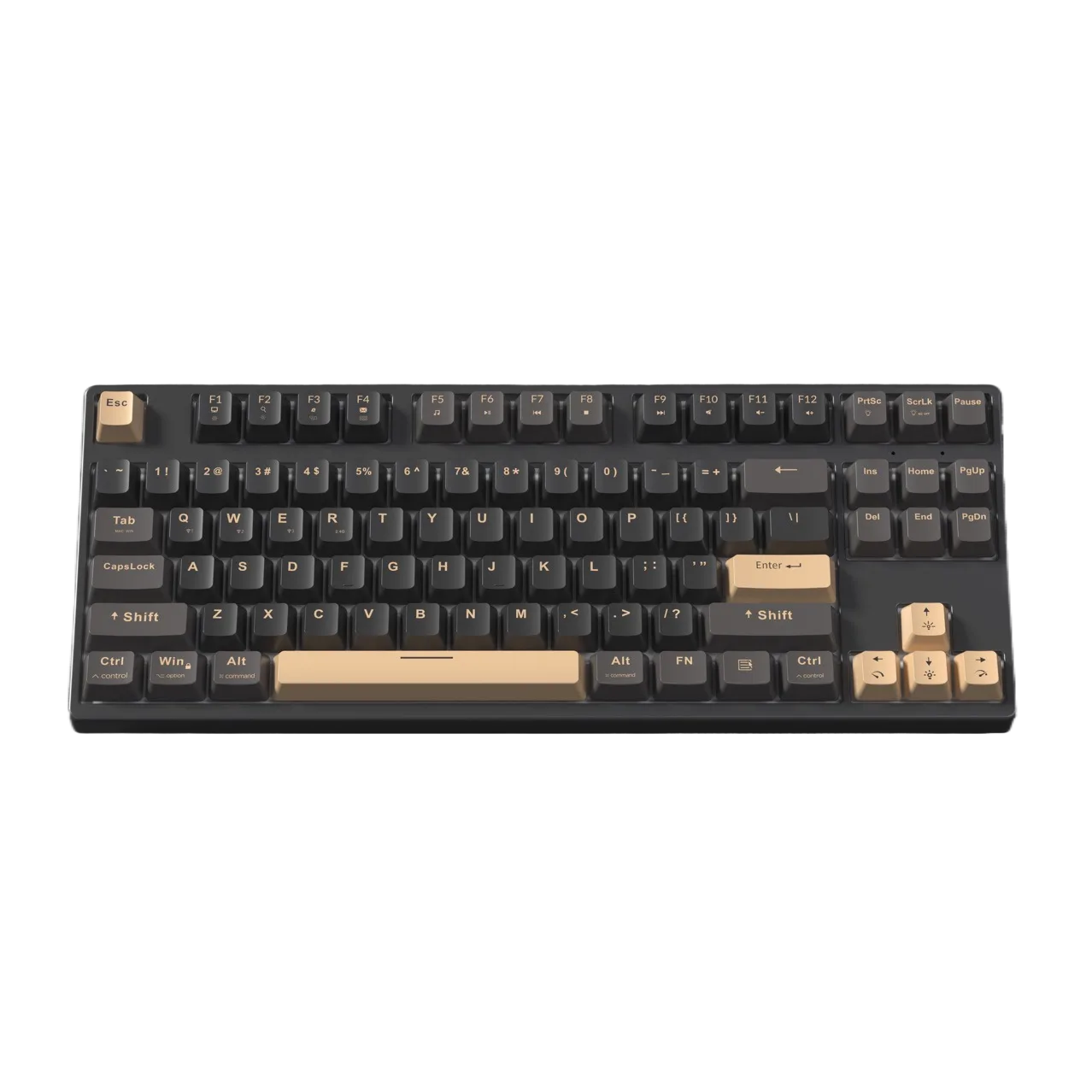
This is where understanding the supply chain gives you an edge. Products like the allwinOEM/ODM 87-Key Mechanical Keyboard are a perfect illustration of this principle. It’s an OEM product that includes all the premium features that command high prices in the retail market:
- Magnetic Axis Switches for faster response and greater precision.
- Durable PBT Keycaps that resist wear and tear.
- Wired and Wireless Connectivity with a modern, detachable Type-C cable.
- A compact, gamer-friendly 87-key (TKL) layout that maximizes desk space.
By going closer to the source, you can access the exact same high-quality hardware that major brands use for their flagship products, but without paying for the layers of markups added along the retail chain.
Your Move: Invest in Performance, Not Just a Name
Ready to get the performance of a top-tier gaming keyboard without the inflated price tag? By focusing on the specifications and understanding where the product comes from, you can make a much smarter investment in your gaming setup. Stop paying for the logo and start paying for the performance.
Discover the difference for yourself. See the full specifications and explore the value of sourcing closer to the factory with the allwinOEM/ODM Wired/Wireless 87-Key RGB Mechanical Gaming Keyboard today.


Add comment