
The Comfort Tax: Why Are Ergonomic Vertical Mice So Expensive?
The High Price of a Healthy Wrist
If you spend your days at a computer, you’ve probably felt it: that nagging ache in your wrist or forearm. The standard computer mouse, for all its utility, wasn’t designed with long-term human anatomy in mind. The solution? An ergonomic vertical mouse, designed to keep your arm in a natural “handshake” position. But a quick search reveals a frustrating reality: these comfort-focused devices often come with a surprisingly high price tag from major retail brands. Why is that, and is there a way to avoid the ‘comfort tax’?
Behind the Markups: From Factory to Your Desk
The journey of a consumer electronic product from the factory floor to a retail shelf is often long and expensive. While the core technology might be similar across many products, the final price you pay is influenced by several factors that have little to do with the product’s actual quality or features:
- Brand Marketing: Big brands spend millions on advertising, sponsorships, and packaging to build a premium image. This cost is inevitably passed on to you, the consumer.
- Layered Distribution: A product often passes through multiple hands—importers, national distributors, wholesalers, and finally retailers. Each layer adds its own markup, significantly inflating the original factory price.
- Retail Overheads: Brick-and-mortar stores have rent, staff, and other operational costs to cover, all of which are factored into the final price.
This is especially true in a niche but growing category like ergonomic peripherals, where early adopters and those in pain are often willing to pay a premium for a solution.
How to Identify Real Value in an Ergonomic Mouse
When you look past the brand name and focus on the core functionality, you can find incredible value. Here’s what truly matters when choosing a vertical mouse:
- True Ergonomics: Does the design effectively promote the neutral handshake grip to reduce wrist pronation?
- Connectivity Options: A great modern mouse should offer flexibility. 2.4G wireless provides a low-latency connection perfect for gaming or precise work, while Bluetooth offers easy pairing with multiple devices like laptops and tablets without needing a USB dongle.
- Customizable Performance: Look for adjustable DPI (Dots Per Inch) settings. A higher DPI allows for faster cursor movement, while a lower DPI offers more precision. Programmable buttons are also a huge plus for productivity, letting you create shortcuts for common tasks.
An Example of Bypassing the Brand Tax
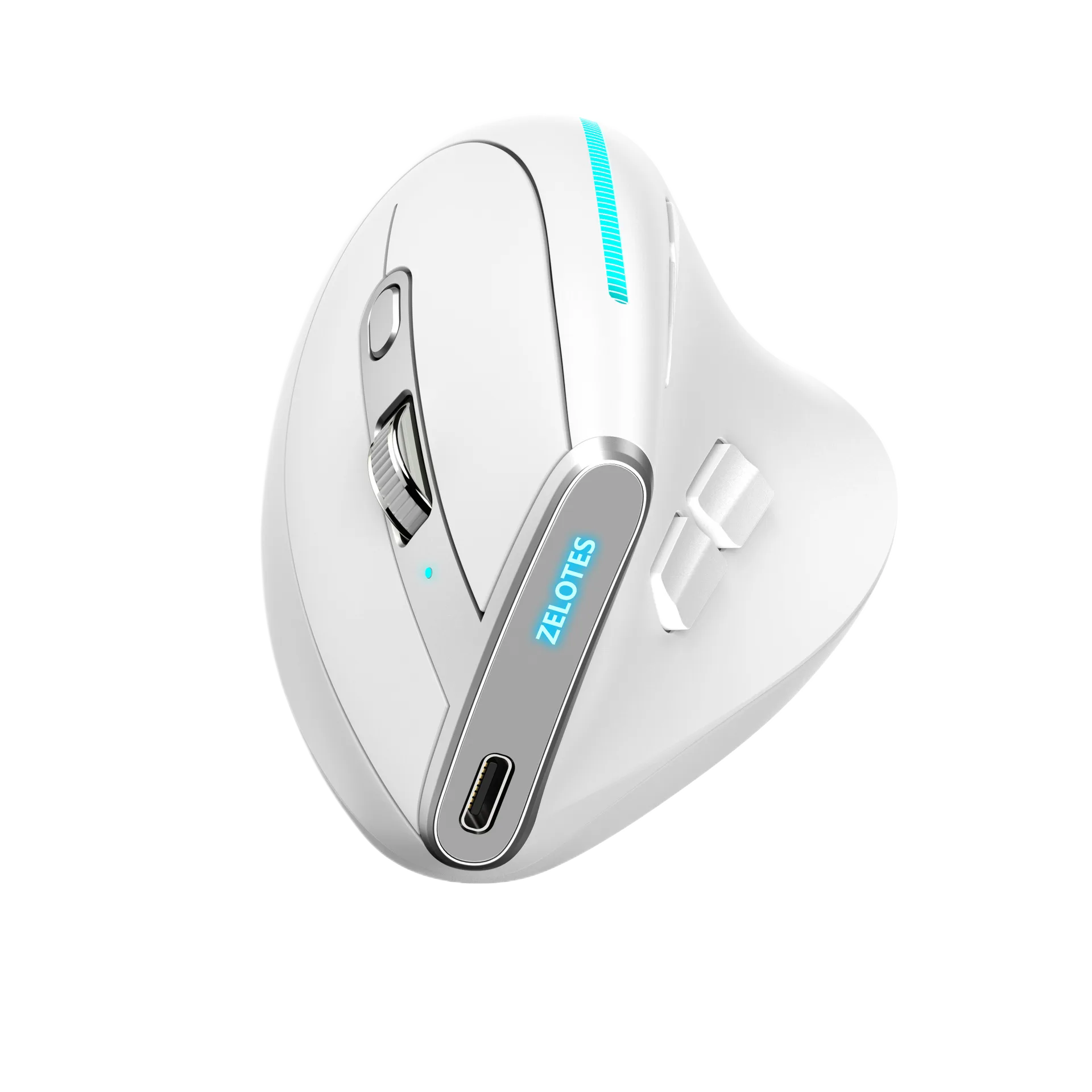
This is where sourcing closer to the manufacturer makes a huge difference. Consider the allwinOEM/ODM Wireless Vertical Mouse. It’s a perfect example of a product that packs in features you’d typically find in devices costing two or three times as much.
It nails the fundamentals with a comfortable vertical design aimed at reducing strain. But it doesn’t stop there. It offers both 2.4G and Bluetooth dual-mode connectivity, giving you the best of both worlds. For users who demand performance, it boasts five adjustable DPI levels up to 4800 and features 8 programmable buttons, making it a versatile tool for both intensive work and gaming.
Features like customizable RGB lighting are often reserved for high-end “gaming” branded mice, yet they are included here. This is the kind of value you uncover when you look beyond the traditional retail path and see what the manufacturers who produce these goods can offer directly.
Make a Smarter Choice for Your Comfort
You don’t have to pay a premium for comfort and performance. By understanding the market and looking for products that prioritize features over branding, you can get the ergonomic relief you need without the inflated price tag. If you’re ready to upgrade your setup with a high-performance ergonomic mouse that respects your wrist and your wallet, check out the specs and design of the Wireless Vertical Mouse and see the direct-from-source difference for yourself.


Add comment