
Your Gaming Keyboard Costs More Than It Should. Here’s Why.
The $150 Question: Why Are Mechanical Keyboards So Expensive?
You’ve seen them on gaming streams and in slick office setups: vibrant, clicky mechanical keyboards. You head to a popular online retailer, find one you like, and see a price tag of $100, $150, or even more. But have you ever wondered what you’re actually paying for? The truth is, the price you see often has less to do with the hardware and more to do with a long chain of markups.
Decoding the Price: From Factory to Your Desk
The journey of a keyboard from the factory floor to your doorstep can be a long and costly one. In many cases, the supply chain looks something like this: Manufacturer -> Brand -> Distributor -> Retailer -> You. Each step adds its own costs for marketing, branding, logistics, and, of course, profit. By the time the product reaches a major retail platform, the final price can be several times higher than the original factory cost.
This is especially true for peripherals like keyboards. A well-known brand name, fancy packaging, and a large marketing budget can add significant dollars to the price tag, even if the core components are identical to a less expensive model.
How to Spot Real Value: A Buyer’s Checklist
So, how do you find a great keyboard without paying for the layers of retail and branding hype? You can start by focusing on the features that truly matter, which are often available on products sourced closer to the manufacturer.
- Hot-Swappable Switches: This is a game-changer. It allows you to change the keyboard’s switches without any soldering. You can try different switch types (like clicky Blues or linear Reds) or easily replace a faulty one. This feature, once reserved for high-end custom boards, is a key indicator of modern design and value.
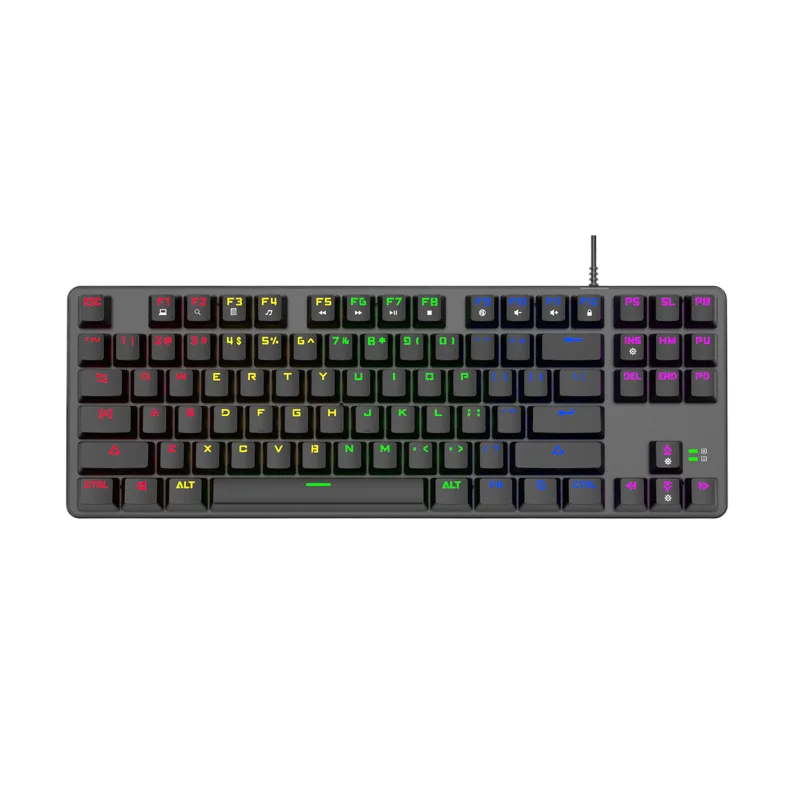
- Standard Layout: An 87-key layout, also known as Tenkeyless (TKL), is a popular sweet spot. It removes the number pad to save desk space, making it perfect for gaming, while keeping all the essential keys for productivity.
- Durable Build: Look for solid construction materials like ABS. It’s a reliable and durable plastic that ensures the keyboard can handle intense gaming sessions and daily work.
- Switch Options: The ability to choose your preferred switch type from the start (e.g., tactile Blue vs. smooth Red) shows that the product is geared towards users who know what they want, rather than a one-size-fits-all approach.
A Smarter Choice: The allwinOEM Keyboard
When you strip away the branding markups and focus on core features, you find products that offer incredible value. A perfect example is the allwinOEM/ODM Mechanical Keyboard. The “OEM/ODM” in its name is a clue—it signals a direct link to the manufacturing side, where products are made for other brands.
This keyboard ticks all the boxes on our value checklist. It features a hot-swappable design, giving you the freedom to customize your typing feel. It comes in the highly efficient 87-key TKL layout and is built with a durable ABS body. You even get to choose between the popular Blue or Red switches right from the factory, along with a wide variety of color combinations.
By sourcing a keyboard like the keyboard, you get the premium features that matter for performance and longevity, without paying the premium for a famous logo.
Upgrade Your Setup Without Overpaying
Don’t let complex supply chains and branding budgets dictate what you pay. By understanding what makes a keyboard great and where to look, you can find a high-performance mechanical keyboard that fits your needs and your wallet.
Ready to experience premium features at a factory-direct value? Check out the different styles and switch options for yourself.


Add comment