
CNC Aluminum Keyboards: Are You Paying for Quality or Just the Brand Name?
The Allure of the Aluminum Keyboard
If you’ve spent any time in the gaming or mechanical keyboard community, you’ve seen them: sleek, minimalist keyboards carved from solid blocks of metal, glowing with custom RGB lighting. They look incredible, feel substantial, and often come with a price tag that makes you double-take. But what are you actually paying for? Is that hefty price for genuine engineering and materials, or is a large part of it just a brand’s marketing budget?
Deconstructing the Cost: Manufacturing vs. Marketing
The journey of a high-end keyboard from factory floor to your desk is often longer and more layered than you might think. Two of the biggest cost drivers at the manufacturing level are the case material and the switch technology.
- CNC Aluminum Body: Unlike a standard plastic keyboard case which is injection-molded in seconds, a CNC aluminum case is milled from a solid block of aluminum. This process is time-consuming, precise, and requires expensive machinery. It results in a far more durable, rigid, and premium-feeling product. This is a real, tangible cost at the factory level.
- Advanced Switch Technology: The heart of any mechanical keyboard is its switches. While standard mechanical switches are excellent, newer technologies like magnetic axis switches offer distinct advantages for gamers, such as ultra-low latency and customizable actuation points. This cutting-edge tech naturally costs more to produce.
The Hidden Markups in Cross-Border Retail
Here’s where the price can start to inflate. A factory might produce a keyboard with all these premium features. Then, a well-known brand places a large order, adds their logo, and designs fancy packaging. From there, it goes to distributors, then to retailers, and finally to you. Each step in this chain adds its own markup to cover their own costs—marketing, warehousing, shipping, and profit.
By the time that CNC aluminum keyboard reaches a popular online store, its price may have doubled or even tripled from the original factory price. The quality is the same, but you’re paying for multiple layers of business operations.
How to Find Better Value: Look for the Source
To get more for your money, it pays to look past the big brand names and focus on the core specifications. Ask yourself:
- What is the case made of? Is it genuinely CNC-milled aluminum?
- What kind of switches does it use? Are they premium options like magnetic switches?
- Where are you buying it from? Can you find sources that are closer to the original manufacturer?
This is where understanding the supply chain gives you an advantage. By identifying products from OEM/ODM manufacturers, you can often access the same high-quality hardware without paying for several layers of brand and retail markups.
A Prime Example: The Magger68
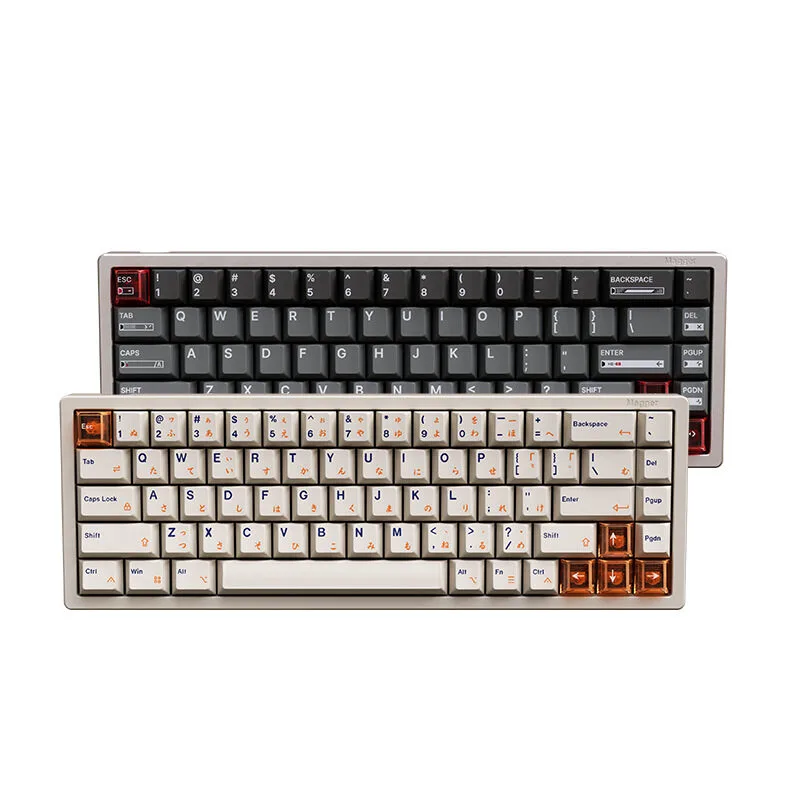
A perfect illustration of this principle is the allwinOEM/ODM Magnetic Axis CNC Aluminum Keyboard. It ticks all the boxes of a truly premium product, straight from a source that understands manufacturing.
It features a durable, beautifully crafted CNC aluminum body that gives it the weight and rigidity enthusiasts crave. Inside, it’s equipped with advanced magnetic axis switches, delivering the ultra-low latency and accuracy that competitive gamers need. The compact 68-key layout saves desk space without sacrificing essential keys, and the fully customizable RGB backlighting provides the aesthetic flair.
Because you’re looking at a product from an OEM/ODM source, you’re getting a clearer view of the product’s value, based on its materials and technology rather than inflated branding.
Upgrade Your Setup Without Overpaying
Don’t just pay for a logo. Invest in quality engineering and premium materials. If you’re ready for a serious upgrade that delivers on both performance and build quality, take a closer look at what goes into your keyboard.
Explore the specs and see the difference for yourself. Check out the allwinOEM/ODM Magnetic Axis CNC Aluminum Keyboard today and get the premium experience you deserve, closer to the source.


Add comment