
From Jingdezhen to Your Desk: The Real Story Behind Artisan Ceramic Keycaps
The Rise of Keyboard Artistry
The world of mechanical keyboards has exploded into a vibrant subculture of customization. Enthusiasts spend hundreds, sometimes thousands, of dollars perfecting their setup. At the pinnacle of this customization craze are artisan keycaps—tiny, handcrafted sculptures that replace standard keys. While many are made from resin, a new tier of luxury has emerged: ceramic keycaps. But when you see a small set of these selling for exorbitant prices on boutique websites, it’s worth asking: what are you really paying for?
The Journey from the Porcelain Capital
Many of the most exquisite ceramic goods in the world originate from one place: Jingdezhen, China’s famed “Porcelain Capital.” For over 1,700 years, this city has been the heart of ceramic innovation and craftsmanship. When you see a ceramic keycap, it’s not just a piece of plastic alternative; it’s potentially a piece of this long-standing artistic heritage. The process involves shaping the clay, applying special glazes, and firing it at incredibly high temperatures—often over 1300°C—to achieve durability and a unique finish.
Why Prices Can Skyrocket Overseas
The price gap between a keycap made in a Jingdezhen studio and one sold on a Western retail site can be staggering. This isn’t always about greed; it’s often a result of a long and layered supply chain. Here’s a typical journey:
- The Artisan: A skilled craftsperson in Jingdezhen creates a small batch of keycaps.
- The Consolidator: A local agent buys from several artisans and sells them in larger quantities.
- The Exporter/Trading Co: This company handles the logistics of selling internationally, adding their margin.
- The Overseas Brand/Distributor: A brand in the US or Europe buys the keycaps, often repackaging them and building a marketing story.
- The Retailer: A specialized online store or marketplace lists the product for the end consumer.
Each step adds a markup to cover costs and generate profit. By the time the keycap reaches you, the final price may reflect more on the supply chain’s length than the artisan’s original work.
What to Look for in a Quality Ceramic Keycap
To find genuine value, you need to know what to look for. Think like a sourcer:
- Authentic Origin: Does the product proudly state its Jingdezhen heritage? This is a mark of quality and tradition.
- Craftsmanship Details: Look for specific techniques. A “crackle glaze,” for example, is a beautiful but difficult effect where a network of fine cracks forms in the glaze. This isn’t something that can be easily mass-produced.
- Durability: High-temperature firing (the product info should mention this) is crucial. It vitrifies the ceramic, making it strong, dense, and resistant to wear.
- Compatibility: Ensure it has a standard profile, like OEM, to fit most mechanical keyboards without issue.
A Direct Link to Craftsmanship
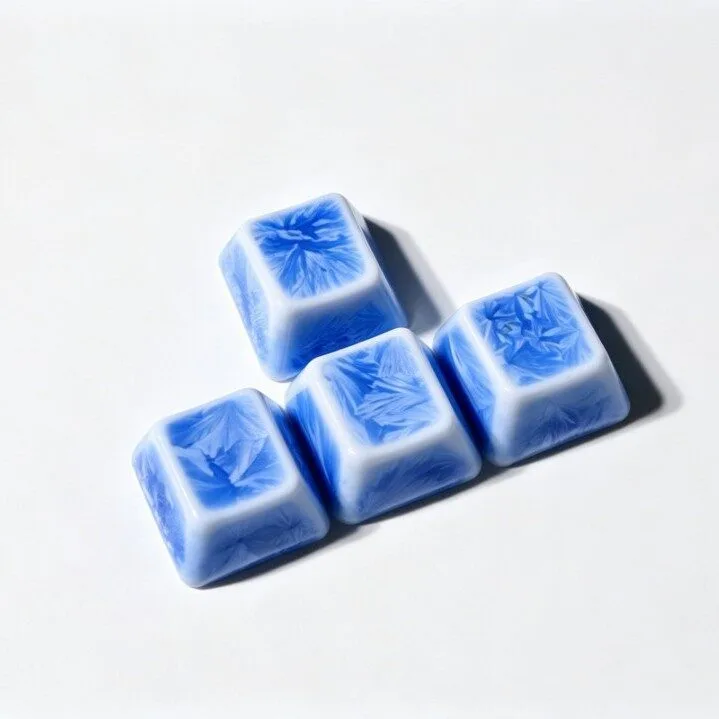
This is where spotting a product closer to the source can make all the difference. Take, for instance, these Jingdezhen Small Batch Crackle Glaze Ceramic WASD Keycaps. They tick all the boxes of a high-end artisan product, but their availability from a factory-direct platform offers a different value proposition.
These keycaps explicitly state their origin: authentic Jingdezhen craftsmanship. They feature the unique “ice-crackle” glaze and are fired at a searing 1700°C, ensuring a durable, stone-like feel. Because they are produced in small batches, each set has natural variations, making your keyboard truly one-of-a-kind. By sourcing a product like this, you’re not just buying a keycap; you’re acquiring a piece of functional art while bypassing several layers of retail markup.
Ready to elevate your keyboard with a touch of authentic artistry? Instead of paying for a long line of middlemen, you can go closer to the source.
Check out the allwinOEM/ODM Jingdezhen Crackle Glaze Ceramic Keycaps and feel the difference that true craftsmanship makes.


Add comment