
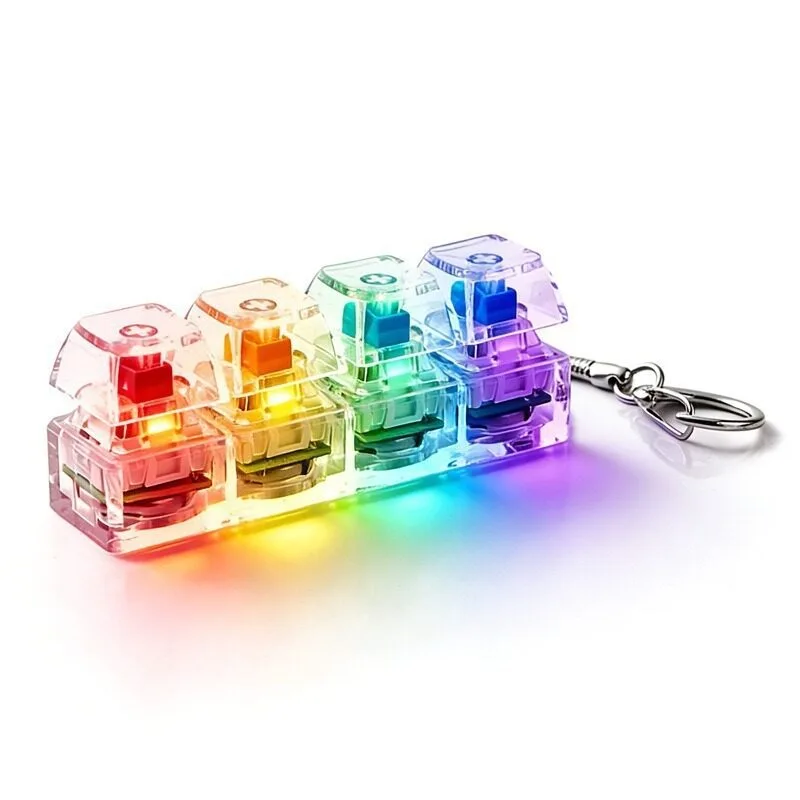
That $20 Fidget Toy? Unpacking the Hidden Costs of Keyboard Accessories
Why is This Tiny Gadget So Pricey?
If you’ve fallen down the rabbit hole of mechanical keyboards or are simply looking for the next great desk toy, you’ve likely seen them: small, clicky gadgets called switch testers. They’re fun, satisfying, and surprisingly helpful. But you may have also noticed their sometimes-surprising price tags on popular online marketplaces. A simple plastic block with a few keys can often sell for $15, $20, or even more. Why?
The answer lies in a long and often invisible journey from the factory floor to your doorstep, with multiple layers of cost added along the way.
First, What Is a Keyboard Switch Tester?
At its core, a switch tester is a tool for mechanical keyboard enthusiasts to try out different types of switches (e.g., clicky, tactile, linear) before committing to a full keyboard. However, their role has expanded. With their satisfying clicks and compact size, they have become incredibly popular as stress-relief toys, fidget gadgets, and stylish desk accessories.
The Journey from Factory to Your Desk: A Tale of Markups
The price of a small item like a switch tester can inflate significantly as it moves through the traditional cross-border retail supply chain. Here’s a simplified look at the journey:
- Manufacturer: This is where the product is made at its base cost.
- Exporter/Trading Company: A middleman who sources from the factory and prepares the product for international shipping, adding their own margin.
- Importer/Brand: A company in your country buys the product in bulk, rebrands it, and handles import duties and logistics. They add a significant markup to cover marketing, warehousing, and staff.
- Retailer: The final online store or marketplace (like Amazon or a specialty shop) lists the product, taking its own cut, which can be anywhere from 15% to 40% or more.
By the time the product reaches you, its price may be many times the original factory cost. For trendy, niche items like keyboard accessories, these markups can be particularly high as they are marketed to a passionate hobbyist audience.
How to Spot a High-Value Switch Tester
When you’re shopping, you’re not just looking for a low price—you’re looking for good value. Instead of focusing on the final price tag, pay attention to the fundamentals that indicate a quality product:
- Durable Material: Look for high-quality materials like transparent Polycarbonate (PC), which is strong, clear, and provides a premium feel. It won’t feel like a cheap toy.
- Solid Construction: The device should be well-assembled and feel comfortable to hold and use.
- Engaging Features: Does it offer something extra? Optional LED backlighting can make it a cool desktop accessory, while a multi-key design lets you compare different feels.
Go Straight to the Source: A Better Value Option
The best way to bypass the layers of retail markups is to get as close to the manufacturer as possible. When you shop from a factory-direct or OEM source, you get a clearer picture of the product’s true value.
For example, take this Transparent 3-Key Switch Tester with LED. It’s a perfect case study. Made from durable, transparent PC material, it’s designed for both serious keyboard hobbyists and anyone needing a premium fidget toy. It comes in a variety of colors and offers an optional LED backlight for that extra flair. Because it’s offered by an OEM/ODM supplier, you’re seeing a price that is much closer to the beginning of the supply chain, without all the added costs from middlemen.
Get the Click Without the Cost
You don’t have to overpay for quality keyboard accessories or a satisfying desk toy. By understanding how the market works, you can make smarter choices and find products that offer fantastic features without the inflated retail price. If you want to experience that satisfying click and have a cool, light-up gadget for your desk, check out the factory-level options.
Ready to see the difference for yourself? Explore the 3-Key Switch Tester and Stress Relief Toy today and get a premium feel without the premium price tag.


Add comment