
The Enthusiast Tax: Why Are Custom RGB Keycaps So Expensive?
Your Keyboard is Glowing, But Your Wallet is Crying
If you’ve ventured into the world of mechanical keyboards, you know the obsession is real. The clicks, the clacks, the satisfying feel… and of course, the mesmerizing RGB lighting. But when you decide to upgrade your keyboard’s look with a set of custom keycaps, you might be hit with a serious case of sticker shock. A single set of premium, translucent keycaps can sometimes cost as much as a new keyboard itself. But why?
The answer often lies in a long and layered supply chain. What starts at a factory ends up passing through multiple hands—importers, distributors, brands, and retailers—with each one adding their markup. This is especially true in niche hobbies where the term “enthusiast tax” is a well-known phenomenon. You’re not just paying for the product; you’re paying for branding, marketing, and the convenience of buying from a local or specialty online store.
The Journey of a Keycap: From Factory to Your Desk
Let’s trace the path. A manufacturer produces a set of keycaps. A boutique keyboard brand might buy these in bulk, design fancy packaging, run a marketing campaign, and sell them on their website for a significant profit. Alternatively, they might end up on a marketplace where individual sellers add their own cut. By the time they reach you, the final price can be several times the original factory cost.
This is particularly common with aesthetic components like keycaps, where the perceived value is high. But what if you could bypass some of those middlemen? By understanding what makes a quality keycap, you can find incredible value by looking closer to the source.
What to Look for in a High-Quality Transparent Keycap
When you’re shopping for keycaps to make your RGB lighting pop, not all clear plastic is created equal. Here’s what to pay attention to:
- Material: Polycarbonate (PC) is the gold standard for transparent keycaps. It offers superior clarity and durability, allowing your keyboard’s backlight to shine through brightly and evenly without looking cloudy.
- Profile: The keycap’s shape affects typing feel and sound. XDA is a popular uniform profile, meaning every key has the same height. It has a flat, wide surface that many find comfortable for both typing and gaming.
- Compatibility: Ensure the keycaps have an MX-style stem (the cross-shaped mount underneath). This is the industry standard and fits the vast majority of mechanical switches from brands like Cherry, Gateron, Kailh, and more.
- Clarity and Finish: A good PC keycap should be crystal-clear, without imperfections or cloudiness, to maximize the RGB effect.
A Smarter Way to Get Your Glow-Up
Instead of paying premium retail prices, consider looking at products that come directly from an OEM/ODM source. These are the manufacturers that often produce the very same products for the big brands. By sourcing from them, you get the same quality without the brand-name markup.
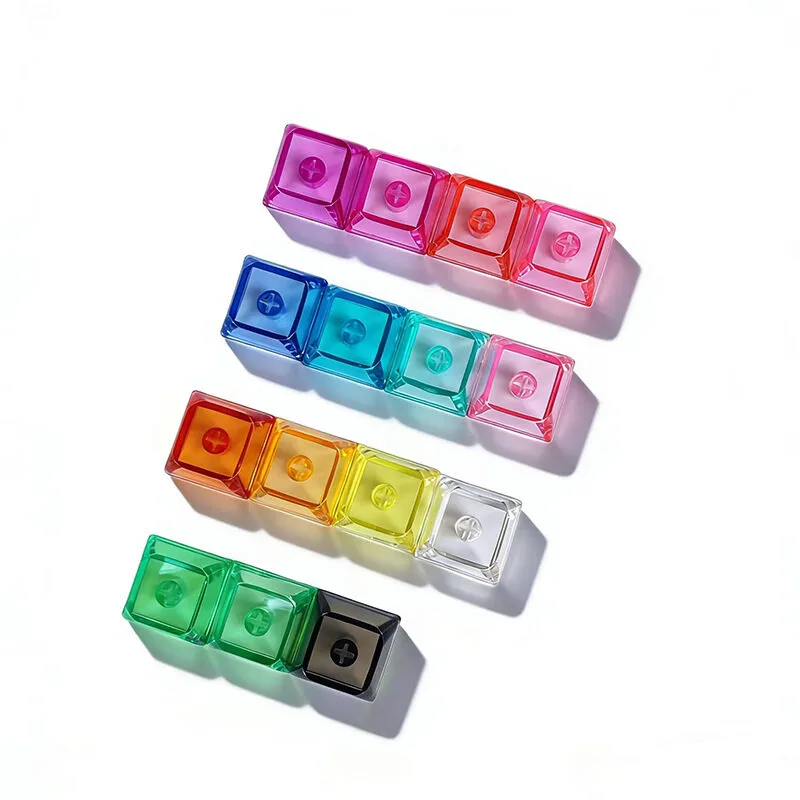
For example, these High Transparency PC XDA2 Keycaps tick all the right boxes. They are crafted from high-quality polycarbonate for maximum RGB brilliance and feature the comfortable, uniform XDA2 profile. Because they are designed for MX stems, they’ll fit most keyboards on the market. The fact that they are listed as an OEM/ODM product suggests you’re getting a direct-from-factory value proposition.
Available in a huge array of translucent colors—from classic white and black to vibrant pink, blue, and emerald green—you can create a truly custom look that unleashes your keyboard’s full lighting potential.
Stop Overpaying and Start Customizing
Your dream keyboard setup doesn’t have to break the bank. By understanding the market and knowing what to look for, you can achieve a premium aesthetic for a fraction of the cost. If you’re ready to let your RGB shine its brightest, it’s time to look past the retail hype and go straight to the source.
Ready to transform your keyboard? Check out these high-transparency PC keycaps and see the factory-direct difference for yourself.


Add comment