
The Hidden Markups on PBT Keycaps: How to Upgrade Your Keyboard Without Overpaying
The Pricey World of Plastic: Why Are Custom Keycaps So Expensive?
If you’ve ventured into the world of mechanical keyboards, you’ve likely experienced sticker shock when looking at custom keycap sets. It’s a common question: how can a set of molded plastic pieces sometimes cost as much as the keyboard itself? The answer often lies not in the material cost, but in a long and layered supply chain.
From the factory to your desk, a keycap set can pass through multiple hands: the manufacturer, an international brand, a distributor, and finally, a local retailer. Each step adds its own markup to cover marketing, logistics, and profit. This is especially true for designer sets with limited runs and complex colorways. But what about high-quality, essential keycaps? The price gap can be just as surprising.
Understanding the Layers of Cost in Keyboard Accessories
The journey of a keycap set from a factory in China to a buyer overseas is a classic example of cross-border retail markups. Here’s a simplified look at the process:
- Manufacturing: A factory produces the keycaps using processes like injection molding. This is the base cost.
- Branding & Design: A Western brand might design a unique color scheme or packaging, adding significant marketing and design costs.
- Distribution & Import: The products are shipped internationally, incurring fees for freight, customs, and warehousing.
- Retail Markup: Finally, the online or physical retailer adds their margin to cover storefront costs, customer service, and their own profit.
By the time the product reaches you, the final price may be several times the original factory cost. This is where savvy buyers can find incredible value—by looking closer to the source.
What to Look for in a Quality Keycap Set
When you cut through the marketing hype, a great keycap set comes down to a few key technical details. Here’s what truly matters:
- Material: PBT (polybutylene terephthalate) is the gold standard. Unlike the more common ABS plastic, PBT is highly durable, resistant to the oils from your fingers (so it won’t get shiny over time), and has a pleasant, slightly textured feel.
- Wall Thickness: Thicker keycaps (around 1.5mm) provide a more solid, premium feel and contribute to a deeper, more satisfying typing sound—often referred to as “thock” by enthusiasts. Thinner caps can feel flimsy and sound hollow.
- Profile: The “profile” refers to the shape and height of the keycaps. OEM profile is one of the most common and comfortable profiles, making it a versatile choice for both typing and gaming.
A Smarter Choice: Factory-Direct Quality
Instead of paying for multiple layers of retail markup, you can often find products that offer the same, if not better, quality by sourcing more directly. This is where understanding the manufacturing side gives you an edge.
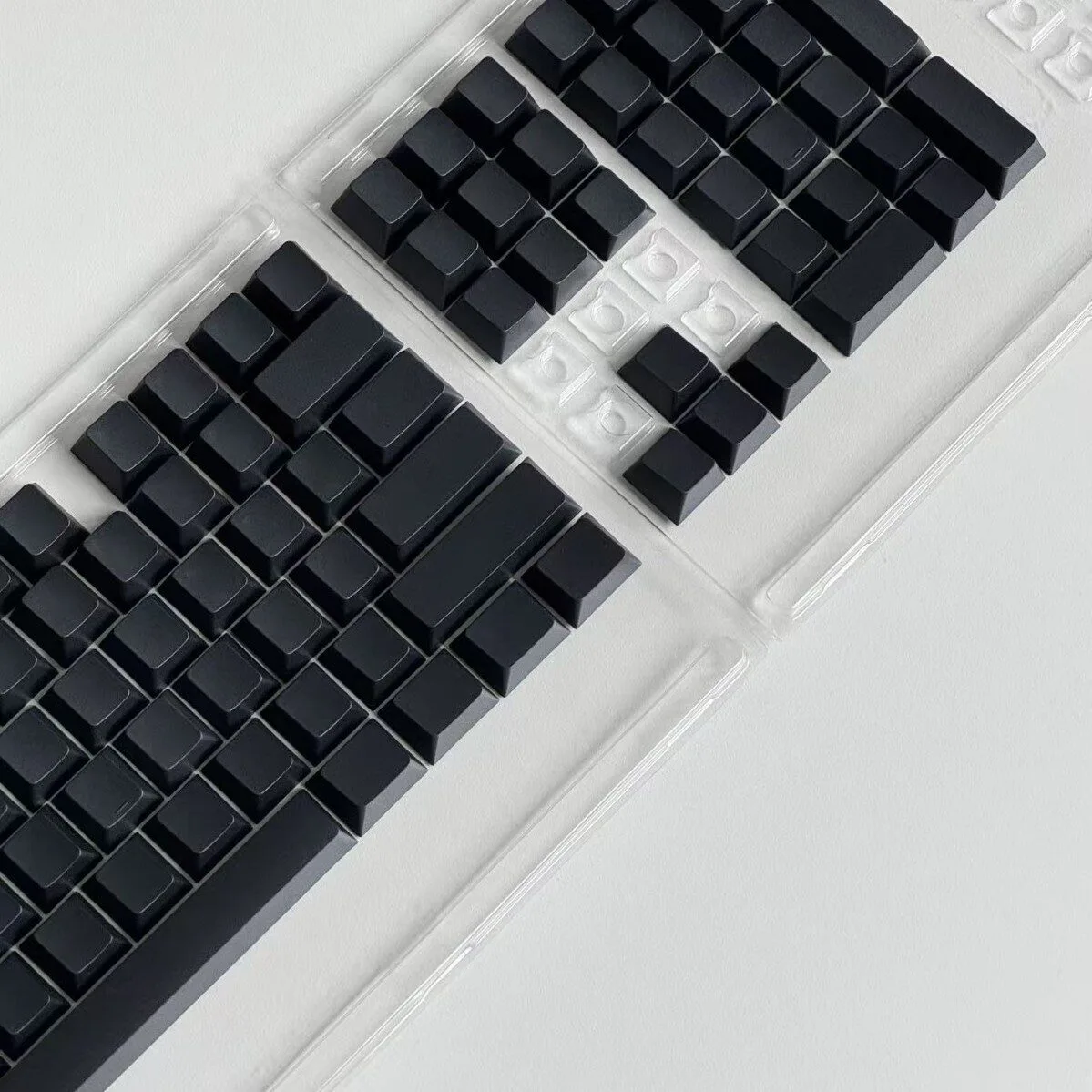
Take, for example, this set of Black OEM Profile PBT Keycaps. It’s a perfect illustration of a high-value product. It checks all the right boxes for a premium upgrade:
- Premium PBT Material: You get the durability and shine-resistance that enthusiasts demand.
- Thick 1.5mm Walls: These caps are built to feel solid and sound great, providing an immediate upgrade over most stock keycaps.
- Classic OEM Profile: A comfortable, familiar shape for all-day use.
- Minimalist Aesthetic: The blank, matte black finish offers a clean, professional look that fits any setup.
Because this product comes from a source focused on OEM/ODM manufacturing, you’re getting access to a price point that is much closer to the factory floor. You’re paying for the quality of the product itself, not for layers of branding and distribution markups.
Upgrade Your Typing Experience Today
Don’t let complex supply chains dictate what you pay for quality. By understanding what makes a great keycap set and where to look, you can give your keyboard a significant upgrade in feel, sound, and durability for a fraction of the typical retail cost.
Ready to feel the difference? Check out these 1.5mm Thick PBT Keycaps and see how much value you can get by sourcing smarter.


Add comment