
The Insider’s Guide to Buying a USB-C Keyboard Without the Retail Markup
Why Does a Simple Keyboard Cost So Much?
You’ve been there. Your laptop is now permanently docked at your desk, and you need a proper, full-size keyboard. You head to a big-box electronics store or a major online retailer, and you’re met with a wall of options. The simple, no-frills keyboards from big brands still seem to carry a surprisingly high price tag. But why? For a piece of technology that has been perfected over decades, the cost often feels disconnected from the function.
The answer lies in the long journey a product takes from the factory floor to your desk. Each step—from the manufacturer to brand importers, distributors, and finally retailers—adds a layer of cost. This multi-layered supply chain is where significant markups can accumulate, especially for everyday electronics like keyboards.
The Hidden Costs in Your Tech Peripherals
When you buy a keyboard from a well-known brand, you’re not just paying for the hardware. A large portion of the price can be attributed to:
- Branding and Marketing: Expensive advertising campaigns and packaging add to the final cost.
- Multi-Level Distribution: Each middleman in the supply chain needs to make a profit.
- Retail Overheads: Brick-and-mortar stores have rent, staff, and logistical costs to cover. Even large online marketplaces charge sellers significant fees.
For a straightforward product like a wired keyboard, these added costs can sometimes double or even triple the original factory price. The good news is that by understanding this, you can make smarter purchasing decisions.
How to Identify a Better Value Keyboard
Instead of focusing on the brand name, savvy buyers should look at the core specifications that actually matter for daily use. For a reliable work or home keyboard, here’s what to prioritize:
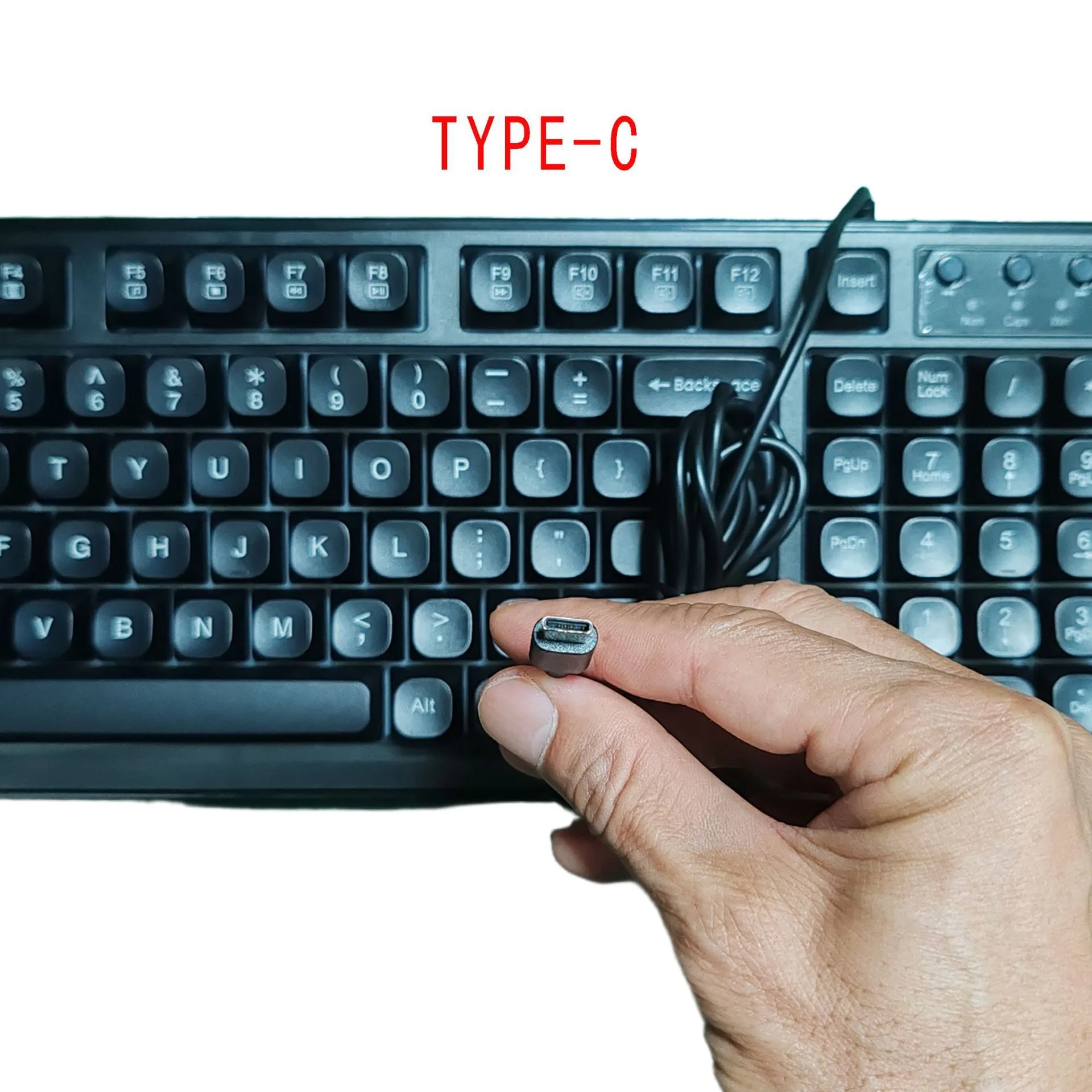
- Connectivity: Is it future-proof? With most new laptops and devices moving to USB-C, a keyboard with a native USB-C connector saves you the hassle of adapters.
- Compatibility: Does it work with all your devices? True universal compatibility across Windows, Mac, and even Android is a huge plus for flexibility.
- Design and Durability: Look for practical features. An ultra-thin profile saves desk space, an ergonomic design prevents strain, and features like water resistance add peace of mind.
- The Source: Where is it coming from? Buying closer to the manufacturer is the single biggest way to cut out unnecessary costs.
A Smarter Choice: The Universal USB-C Wired Keyboard
This is where finding a product directly from an OEM/ODM source can be a game-changer. Take, for example, this allwinOEM/ODM USB-C Wired Keyboard. It ticks all the boxes for a smart, value-driven purchase.
It’s built with the essential features you need, without the inflated price tag. It offers a native USB-C wired connection for stable, lag-free performance—no batteries to charge or wireless signals to drop. Its universal design ensures it works seamlessly whether you’re on a Windows PC, a MacBook, or even an Android tablet.
The design is both modern and practical. Its ultra-thin profile and 104-key layout provide a comfortable and familiar typing experience, while the durable, water-resistant construction is built to handle the rigors of daily use. This is the kind of straightforward, reliable peripheral that big brands often rebrand and sell for much more.
Get Factory-Level Value Without Compromise
You don’t need to pay a premium for marketing and distribution markups to get a quality keyboard. By choosing a product that focuses on essential features and comes from a direct source, you get the performance and reliability you need at a much more reasonable price.
If you’re ready to stop overpaying for simple tech, check out the Universal USB-C Wired Keyboard and see what a difference cutting out the middleman can make. It’s the smart way to upgrade your workspace.


Add comment