
The Real Cost of a Click: Why Your Mechanical Keyboard Price is All in the Switch
That Satisfying Click: More Complex (and Costly) Than You Think
The world of mechanical keyboards has exploded. Gamers, programmers, and writers are all seeking that perfect tactile feedback and satisfying sound. But with this boom comes a confusingly wide range of prices. How can one keyboard be $80 while another, seemingly similar one, is $300? While branding, case materials, and keycaps play a role, the heart and soul of the keyboard—the mechanical switch—is where a huge portion of the cost and value is hidden.
The Journey of a Switch: From Factory to Your Fingertips
Most consumers buy a finished, branded keyboard from a retailer. But that keyboard has been on a long journey, and at each step, a markup is added. The supply chain often looks like this:
- Component Factory: This is where parts like the switches, PCBs, and processors are made.
- Keyboard Assembler/Manufacturer: They buy the components and build the final keyboard.
- Brand: The company that puts its name, marketing budget, and design philosophy on the keyboard.
- Distributor & Retailer: The final steps to get the product onto a store shelf or e-commerce page.
The cost of the switches themselves is only one part of the final price tag, but their quality defines the entire typing experience. A brand’s reputation and marketing budget can add significant cost, which doesn’t always correlate with a better-performing component.
What Savvy Buyers Should Look For
To find real value, it pays to think like a sourcer. Instead of focusing only on the keyboard brand, look at the specifications of its components. For switches, this means understanding:
- Type: Linear, tactile, or clicky?
- Profile: Standard or low-profile? Low-profile switches allow for slimmer, more modern keyboard designs and can offer faster actuation.
- Travel Distance: This is how far the key needs to be pressed. A shorter travel distance, a feature of many low-profile switches, means faster key presses, which is great for gaming and fast typing.
By understanding what goes into a keyboard, you can better judge whether a high price tag is for genuine quality or just for the brand name on the box. This is why many enthusiasts build their own keyboards, sourcing high-quality components directly.
A Look at a Factory-Direct Component: The Low-Profile Switch
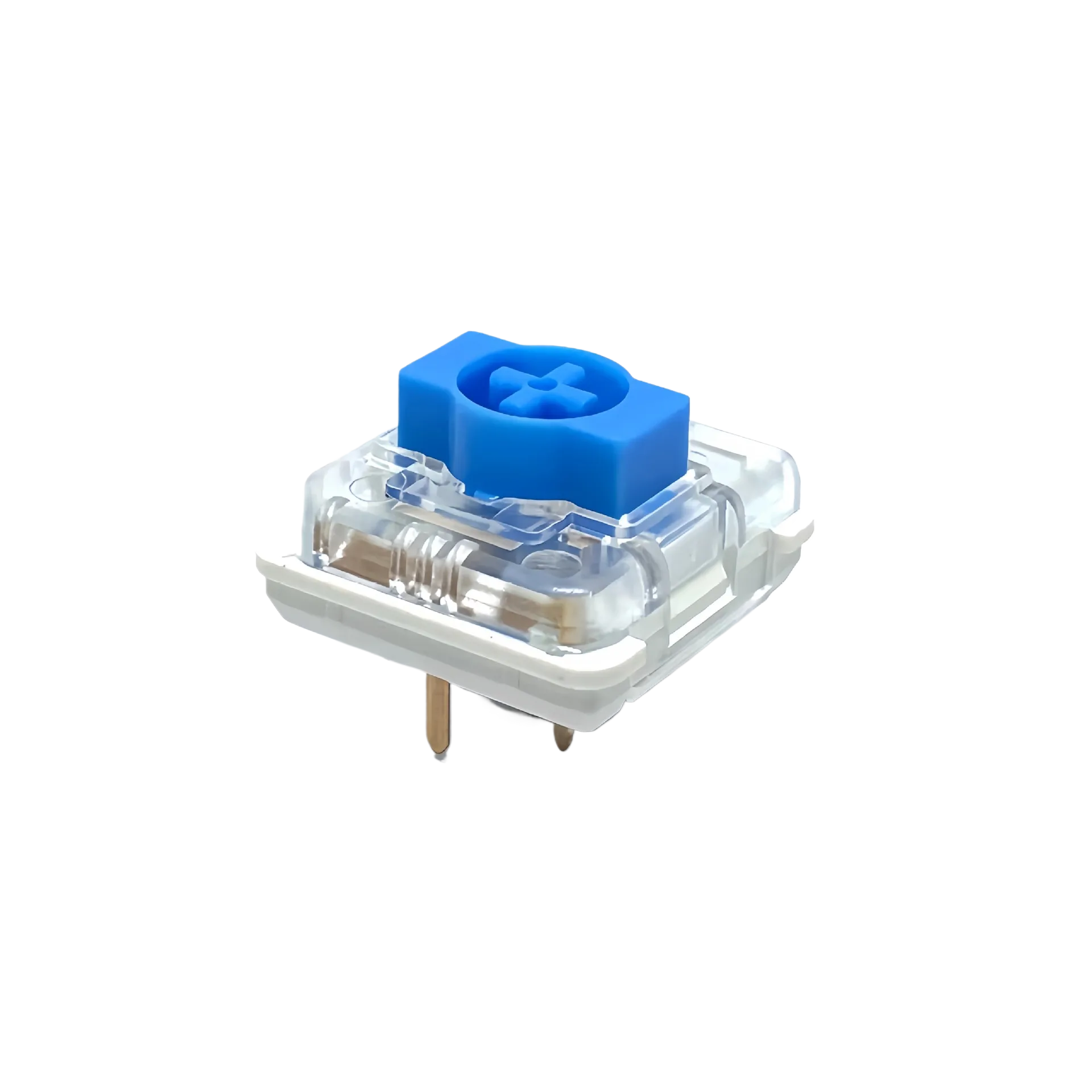
When you look at components directly from an OEM/ODM source, you get a clear picture of the technology without the marketing fluff. Take, for example, the allwinOEM/ODM Low Profile Mechanical Keyboard Switch. This is the kind of core component that keyboard manufacturers build their products around.
Its key features are exactly what modern users are looking for:
- Low Profile Design: Enables sleek, compact, and ergonomic keyboards.
- Reduced Travel Distance: Designed for speed and faster actuation, giving a competitive edge in gaming or a boost in typing efficiency.
- Durable Construction: Built for long-lasting performance, which is a key indicator of a quality switch.
This single component is the foundation of a premium typing experience. Seeing a product like the slim, low-travel mechanical switch at the source gives you insight into the building blocks that many famous brands might use in their own high-end keyboards.
Unlock Better Value by Understanding the Source
You don’t have to build your own keyboard to benefit from this knowledge. The next time you shop, look beyond the brand and investigate the switches. When you see a keyboard advertising its high-quality, low-profile switches, you’ll know that’s where the real performance comes from.
For brands and builders looking to create a top-tier product, sourcing quality components is the most important step. Exploring options directly from the factory can provide a massive advantage in both cost and quality control.
Curious to see what goes into a modern, fast-actuating keyboard? Take a closer look at the specs and design of these allwinOEM/ODM low-profile switches. It’s the first step to understanding the true value behind the click.


Add comment