
The Real Price of a Pro Keyboard: Are You Paying for Features or Just a Logo?
Why Does That Keyboard Cost So Much?
You’ve seen it before. You’re shopping for a new mechanical keyboard, and you find two that look almost identical. They both have that satisfying click, cool lighting, and a compact design. Yet, one costs $150 and the other is under $70. What’s the deal? The answer often lies in a world hidden from the average consumer: the world of OEM/ODM manufacturing and cross-border retail markups.
The Secret Life of a Keyboard: From Factory to Desk
Many of the most popular keyboard brands on the market don’t actually manufacture their own hardware. Instead, they partner with Original Equipment Manufacturers (OEMs) or Original Design Manufacturers (ODMs) — specialized factories that design and build these high-quality products. When a brand places an order, the keyboard gets a logo, custom packaging, and a hefty marketing budget attached.
This process adds multiple layers of cost:
- The brand’s markup to cover marketing and operations.
- The distributor or importer’s cut.
- The final retailer’s profit margin.
By the time that keyboard reaches your desk, the price can be double or even triple what it was when it left the factory floor. You’re often paying a significant “brand tax” for a logo and a fancy box.
How to Identify True Value in a Mechanical Keyboard
To avoid overpaying, smart buyers learn to look past the brand name and focus on the core specifications that actually determine quality and performance. Here’s what truly matters:
- Connectivity: The gold standard for versatility is tri-mode connectivity (Wired, 2.4G wireless, and Bluetooth). This allows you to switch seamlessly between your desktop, laptop, and tablet.
- Switch Type: The switches define the typing feel. Brown switches are a fan favorite, offering a satisfying tactile bump without the loud click-clack of Blue switches, making them perfect for both work and play.
- Build Quality: Look for premium materials. An aluminum alloy frame, for example, offers superior durability and a weighty, premium feel that plastic cases can’t match.
- Layout: A compact 87-key (Tenkeyless or TKL) layout gives you all the essential keys while freeing up valuable desk space for your mouse.
A Case Study in Factory-Direct Value
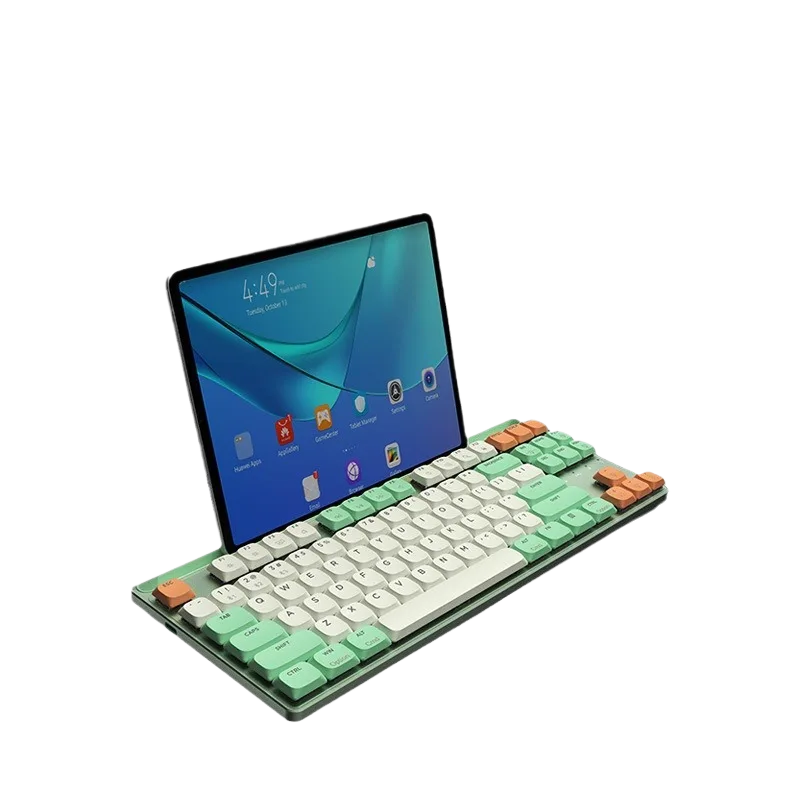
Instead of paying for layers of markups, what if you could get a keyboard with all these premium features closer to the source? That’s where products like the allwinOEM/ODM 87-Key Mechanical Keyboard come in. This is a perfect example of a keyboard that ticks all the boxes for a high-end experience without the inflated price tag.
Let’s check the specs:
- Tri-Mode Connectivity: Yes (2.4G, Bluetooth, and Wired).
- Tactile Switches: Yes (satisfying Brown switches).
- Premium Build: Yes (durable and sleek aluminum alloy construction).
- Smart Layout: Yes (a compact 87-key design).
This keyboard also includes customizable RGB backlighting and a waterproof design—features often found on models costing much more. Because it comes from an OEM/ODM source, it delivers the core technology and build quality you’re looking for, letting you skip the expensive branding exercise.
Upgrade Your Typing, Not Your Budget
You don’t need to pay a fortune for a pro-grade typing experience. By understanding where your products come from, you can find incredible value. Instead of paying for a logo, you can invest in features that actually improve your daily workflow and gaming sessions.
Ready to feel the difference a high-quality, fairly-priced keyboard can make? Stop paying for markups and start paying for performance.
Check out the allwinOEM/ODM 87-Key Mechanical Keyboard and discover what factory-direct value feels like.


Add comment