
Unlock Your Keyboard’s Potential Without Overpaying: The Insider’s Guide to Hot-Swap Sockets
The Custom Keyboard Tax: Why Do Small Parts Add Up?
Building a custom mechanical keyboard is a rewarding journey into a world of personalized typing. You choose the case, the plate, the keycaps, and most importantly, the switches. But as you add tiny components to your cart, you might notice the total climbing surprisingly fast. Parts like hot-swap sockets, though small, can carry a hefty price tag by the time they reach you. Why is that?
Meet the Game-Changer: The Hot-Swap Socket
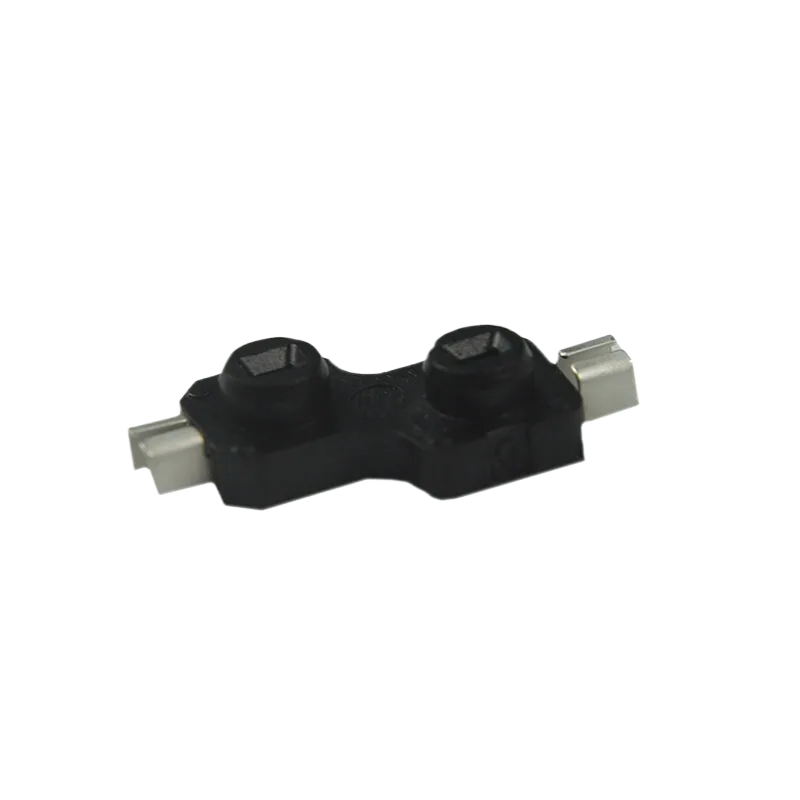
First, let’s talk about what these are. Hot-swap sockets are tiny connectors soldered onto a keyboard’s PCB. Their magic lies in allowing you to change your mechanical switches simply by pulling the old ones out and pushing new ones in—no desoldering or soldering required. This makes it incredibly easy to test different switch types or replace a faulty one. For builders of slim, low-profile keyboards, finding the right sockets for switches like the Kailh ‘choc’ series is essential for achieving that sleek design.
Decoding the Price Tag: The Journey of a Keyboard Component
So, why can these tiny pieces of metal and plastic seem so expensive? The answer often lies in the supply chain. A component like a hot-swap socket typically travels a long path before it gets to your workbench:
- It starts at a factory (an OEM/ODM manufacturer) that produces them in massive quantities.
- It’s then sold to large international distributors.
- Those distributors sell to smaller, regional distributors or directly to specialized online retailers.
- Finally, the boutique keyboard shop or online retailer lists the product for you, the end customer.
At each step of this journey, a markup is added to cover logistics, storage, marketing, and profit. While this is a standard business practice, for small, niche components, the cumulative effect can mean the final price is significantly higher than the original factory-side cost.
How to Source Smarter and Save on Your Build
As an informed buyer, you can navigate this and find better value. The key is to get closer to the source. Pay attention to the seller’s name and description. Terms like ‘OEM/ODM’ or ‘Factory-Direct’ are strong indicators that you’re cutting out some of the middlemen. By sourcing from platforms that connect you more directly with manufacturers, you can often access pricing that hasn’t been inflated by multiple layers of distribution.
A Prime Example: Sourcing Kailh Low-Profile Sockets Directly
This is where savvy builders can gain an edge. Take, for example, these allwinOEM/ODM Hot Swap Socket Connectors. The ‘OEM/ODM’ in the name itself tells a story—it signals a direct link to the manufacturing side. These sockets are specifically designed for the popular Kailh 1350 and 1353 low-profile (choc) switches, making them perfect for your next slim custom keyboard project.
Instead of buying from a third-party retailer who has already marked up the price, exploring a factory-direct source can be a smarter financial move for your build. You get the exact same functionality—the freedom to customize and experiment with your switches—without paying for the extra steps in the supply chain.
Planning your next low-profile keyboard build? Before you finalize your parts list, see how sourcing essential components like hot-swap sockets directly can make a real difference to your budget. Check out the details and see the value for yourself.
Explore Hot Swap Sockets at a factory-direct advantage today!


Add comment