
Why Are Custom Keycaps So Expensive? A Look Behind the Price Tag
The Sticker Shock of Custom Keyboards
You’ve seen them on Instagram, Reddit, and YouTube: stunning mechanical keyboards with unique, artistic keycaps. You decide it’s time to personalize your own setup, start shopping, and then… you see the price. How can a set of plastic keys cost $80, $100, or even more? It’s a common question in the keyboard community, and the answer lies deep within the supply chain.
Decoding the Cost: Material, Manufacturing, and Markups
The final price you pay for a keycap set is influenced by several factors, but it often boils down to three main things:
- Material Quality: Most budget keyboards use ABS plastic, which can develop a greasy shine over time. Enthusiast-grade sets, however, often use PBT (polybutylene terephthalate). PBT is more durable, resists shine, and has a pleasant textured feel. This superior material naturally costs more to produce.
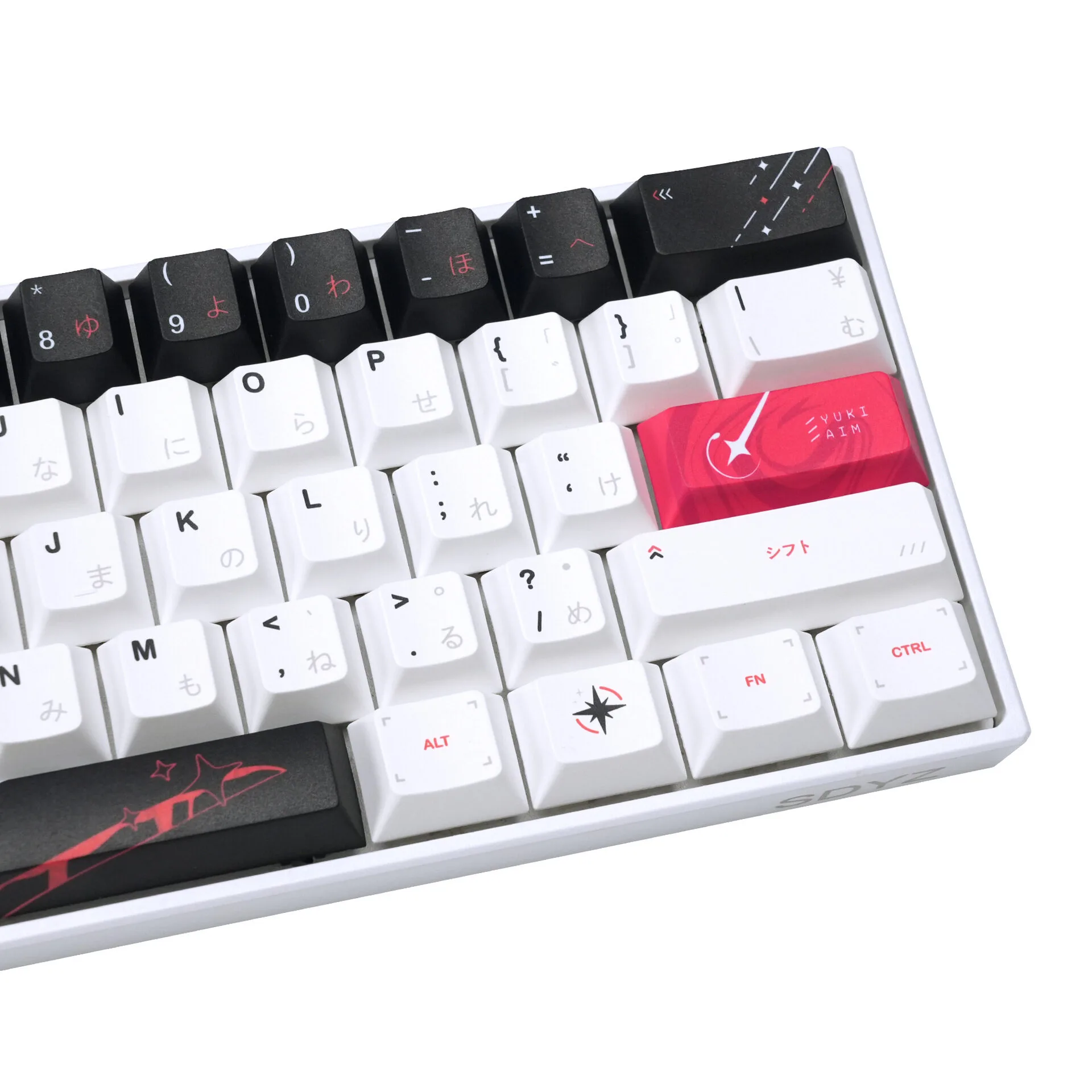
- Manufacturing Process: The legends (the letters and symbols) on your keycaps matter. One of the most durable methods is dye-sublimation, where heat is used to infuse dye directly into the plastic. This creates permanent legends that will never fade or wear off, which is especially important for complex designs like Japanese sublegends. It’s a more involved and costly process than simple printing.
- The Retail Journey: This is where the price can really inflate. A keycap set often travels from the factory to an international brand, then to a distributor, and finally to a local retailer before it reaches you. Each step in this chain adds its own markup for marketing, logistics, and profit. A set that leaves the factory at one price can be double or triple that by the time it’s on a retail shelf.
How to Find Value Without Sacrificing Quality
As a savvy buyer, you can get ahead by understanding what to look for. Instead of focusing just on the final price, focus on the specifications that signal quality:
- Check the Material: Always look for PBT plastic for a long-lasting, premium feel.
- Verify the Printing: Dye-sublimation (or “dye-sub”) is a hallmark of a quality set that’s built to last.
- Confirm Compatibility: Ensure the set has enough keys (like a 134-key set) to fit a variety of layouts, from compact 60% boards to full-size ones.
- Source Smarter: Consider buying from platforms that connect you more directly with the manufacturer. This can help you bypass the multiple layers of retail markups and get a better price for the same, or even better, quality.
A Perfect Example: The Japanese Root PBT Keycap Set
This is where theory meets practice. Take, for example, the allwinOEM/ODM Japanese Root Keycap Set. It’s a perfect case study in finding excellent value by looking closer to the source.
This set checks all the right boxes for a high-end experience:
- Premium PBT Material: It offers that desirable textured finish that resists finger oils and shine.
- Durable Dye-Sublimation: The classic Japanese characters and legends are permanently infused into the keycaps, so they’ll look crisp for years.
- Wide Compatibility: With 134 keys and a standard OEM profile, this set is designed to fit the most popular mechanical keyboard layouts right out of the box.
By getting a set like this from a direct-from-factory platform, you’re accessing the quality and features of a premium retail product, often without paying for the layered markups of the traditional cross-border retail model.
Upgrade Your Keyboard the Smart Way
Don’t let high retail prices discourage you from building the keyboard of your dreams. By understanding what makes a keycap set great and where the costs come from, you can make smarter purchasing decisions.
Ready to feel the difference a premium PBT set can make, without the premium price tag? Explore the specs and timeless design of the Japanese Root Keycap Set today. It’s the perfect upgrade for any typist, gamer, or programmer looking for quality, durability, and style.


Add comment