
Why Are Mechanical Keyboards So Expensive? The Hidden Costs Retailers Don’t Want You to Know
The Mechanical Keyboard Price Mystery
Walk into any electronics store or browse online, and you’ll see mechanical keyboards with prices ranging from under $50 to well over $300. They all seem to do the same thing: type. So why the huge price gap? While custom builds and niche brands play a role, a significant factor for mass-market keyboards is a long and expensive supply chain.
Decoding the Price Tag: From Factory to Your Desk
The journey of a typical keyboard involves multiple layers, with each one adding to the final cost. This process can often look something like this:
- Manufacturer: The factory produces the keyboard at a base cost.
- Brand/Importer: A brand buys from the factory, adds its logo, and invests heavily in marketing, packaging, and global distribution. This is often the first major markup.
- Distributor: A regional distributor buys from the brand and sells to retailers, adding their own margin for warehousing and logistics.
- Retailer: The final store (online or physical) buys from the distributor and adds the last, and often largest, markup to cover rent, staff, and profit.
By the time the keyboard reaches you, the price may have been inflated several times over its original factory cost. This is the hidden world of retail markups.
How to Spot a High-Value Mechanical Keyboard
To get more for your money, you need to know what features truly matter. Instead of focusing on the brand name, pay attention to the core specifications that define the typing experience:
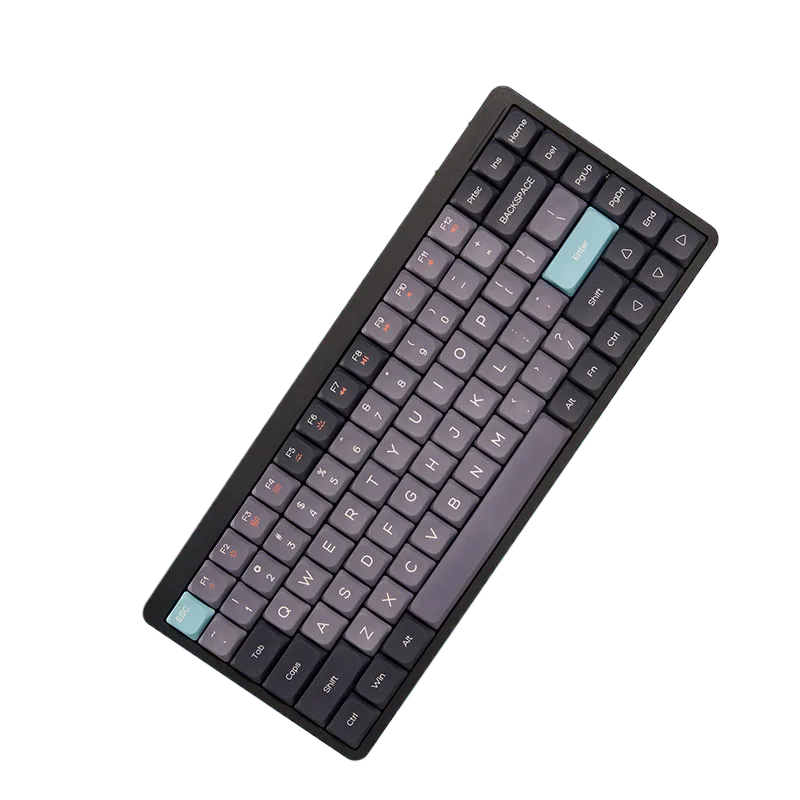
- Layout: A compact 84-key (or 75%) layout is a fantastic sweet spot. It keeps the essential function keys and arrows while saving significant desk space compared to a full-size board.
- Switches: Mechanical red switches are a popular all-around choice. They provide a smooth, linear feel without a loud click, making them great for both fast typing and gaming.
- Connectivity: Wireless Bluetooth connectivity is a premium feature that declutters your desk and offers incredible portability.
- Profile: A low-profile design means the keyboard is thinner and the keys are shorter. This not only looks sleek and modern but is also easier to pack and carry.
A Smarter Choice: Sourcing Closer to the Factory
What if you could bypass some of those middlemen? By looking at products from an OEM/ODM source, you can often find keyboards with premium features at a more reasonable price. These are the very factories that may produce keyboards for the big brands, but without the added branding and marketing costs passed on to you.
A perfect example is the allwinOEM/ODM 84-Key Low Profile Wireless Bluetooth Mechanical Keyboard. It ticks all the boxes of a high-value board: a compact 84-key layout, smooth mechanical red switches, and versatile Bluetooth connectivity. Its slim, low-profile design makes it ideal for minimalist setups or for professionals on the go.
This keyboard combines the portability that modern users need with the satisfying tactile performance that mechanical keyboard enthusiasts love. With options for different color schemes and backlighting (including white and RGB), you can get a personalized look without paying a premium for a logo. It’s a direct look at the quality and features you can get when you focus on the product itself, not the layers of marketing around it.
Upgrade Your Typing Without Overpaying
Don’t get caught up in the hype and high prices. By understanding what makes a great keyboard and where the costs come from, you can make a much smarter purchase. If you’re looking for a clean, portable, and responsive typing experience, a factory-direct model is one of the best-kept secrets in the market.
Ready to see what you’ve been missing? Check out the specs and design of the 84-Key Low Profile Wireless Mechanical Keyboard and discover the value of going closer to the source.


Add comment