
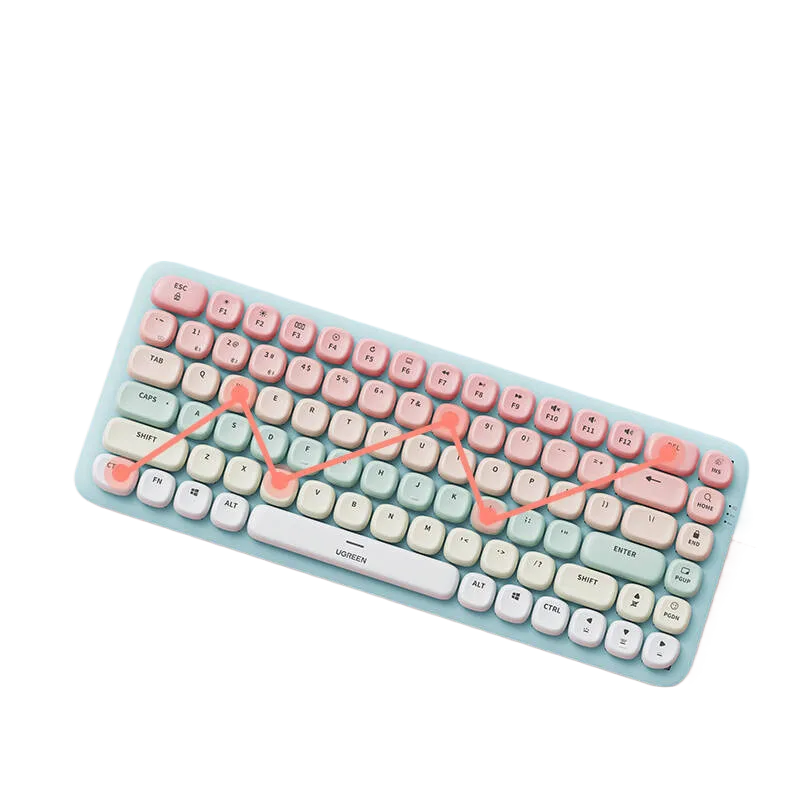
The Real Price of a Mechanical Keyboard: Are You Paying for Features or a Logo?
Why Does a $50 Keyboard Look Just Like a $150 One?
Walk into the world of mechanical keyboards, and you’ll find a dizzying array of options. You’ll see compact, wireless keyboards for under $50 right next to models with a similar look and feel that cost three times as much. What gives? Is the more expensive one really three times better? Often, the answer lies not in the product itself, but in the long journey it took to get to you.
The Hidden Markups in the Keyboard Supply Chain
Most consumer electronics, including that sleek mechanical keyboard you’re eyeing, don’t go straight from the factory to your favorite online store. The path usually involves several layers, and each layer adds to the final price tag.
Here’s a simplified look at the journey:
- The Factory (OEM/ODM): This is where the keyboard is actually designed and manufactured. They produce keyboards in bulk for various brands.
- The Brand: A company buys the keyboard from the factory, puts their logo on it, creates fancy packaging, and launches a marketing campaign. This adds a significant markup.
- Distributors & Retailers: These middlemen handle shipping, warehousing, and selling the product to you. They also take their cut, further increasing the price.
By the time the keyboard reaches you, the price may have doubled or even tripled from its original factory cost. You’re not just paying for the hardware; you’re paying for branding, marketing, and multiple layers of profit.
How to Identify a High-Value Keyboard
As a smart buyer, you can cut through the noise by focusing on what truly matters. Instead of being swayed by a flashy brand name, pay attention to the core specifications that deliver real-world value.
- Essential Features First: Do you need wireless and wired options? A compact layout to save desk space? Prioritize the functionality you’ll actually use every day, like dual-mode connectivity.
- Layout and Size: An 84-key layout (also known as a 75% layout) is one of the most popular choices for a reason. It keeps the essential arrow keys and function row while being much more compact than a full-size board.
- Build Quality Basics: Most keyboards in a similar price range use comparable materials. A sturdy ABS plastic case and a simple, reliable backlight are often all you need for a durable and practical experience.
A Direct-from-Source Example: The Keyboard
To see what a value-focused keyboard looks like, consider a model like the allwinOEM/ODM Dual-Mode Mechanical Keyboard. The name itself gives you a clue—it comes from an OEM/ODM source, the very origin of many top-selling keyboards on the market.
This keyboard checks all the essential boxes without the inflated price tag. It features:
- Dual-Mode Connectivity: Seamlessly switch between a stable wired connection for your desk setup and a flexible Bluetooth connection for your laptop or tablet.
- Compact 84-Key Layout: You get a clean, minimalist desk setup without sacrificing the function keys and arrows you need for productivity.
- Practical Backlight: The single-color backlight provides clear visibility for late-night work or gaming sessions, focusing on function over flashy, battery-draining RGB.
This is the kind of product that prioritizes core performance. It’s a workhorse built with the features that matter most, making it a perfect example of what you can get when you look past the big-brand marketing.
Get More Keyboard for Your Money
By understanding the supply chain, you can make smarter purchasing decisions. Choosing a product closer to the source means your money goes toward the technology and features, not just layers of marketing and distribution markups.
If you value performance, practicality, and smart pricing, it’s time to look beyond the hype. See for yourself what a high-value, feature-packed keyboard feels like.
Ready to get straight to the source? Explore the allwinOEM/ODM Dual-Mode Bluetooth Mechanical Keyboard and discover the advantage of factory-direct value.


Add comment